

 India
India

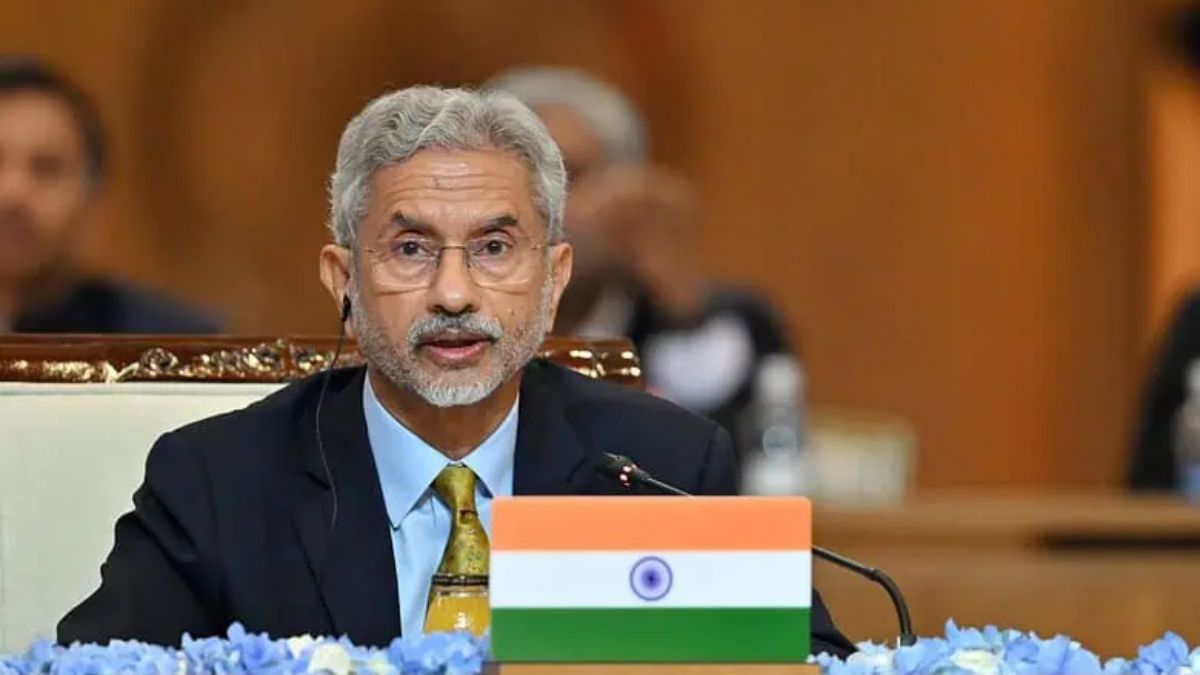
External Affairs Minister S. Jaishankar on Saturday highlighted three major issues affecting india-us relations, emphasizing that while differences exist, the broader bilateral relationship continues to move forward on areas of convergence. Speaking at a media conclave, Jaishankar said, “Right now, I think there are issues. It’s pretty open,” referring to ongoing challenges in the partnership.
Trade negotiations remain the most significant point of contention. India has set clear “red lines” to protect the interests of its farmers and small producers during discussions with the United States. Despite reports suggesting that the Trump administration had paused talks on a bilateral trade deal, Jaishankar clarified that negotiations were still ongoing. “Nobody said the negotiations are off, and people do talk to each other,” he added, noting that the Indian side will not compromise on these red lines.
The second area of concern is India’s purchases of Russian energy. The United States has criticised these transactions, including a pending 25 percent punitive tariff on Indian exports related to Russian oil purchases. Jaishankar pointed out inconsistencies in such criticisms, noting that the European Union and China, major importers of Russian oil and liquefied natural gas, have not faced similar scrutiny. He stressed that strategic autonomy requires decisions based on national interests, asserting that India’s energy trade is aligned with global market dynamics and stabilising oil prices, rather than funding conflict.
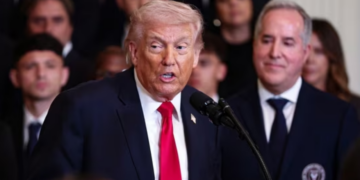
The third issue revolves around US assertions of mediation between India and Pakistan, particularly during the hostilities in May. Jaishankar reiterated that India does not accept mediation in its bilateral relations with Pakistan, underscoring that ceasefire decisions following Operation Sindoor were initiated by Pakistan after India’s military action, not brokered by the United States. He criticised claims by former President Trump that he negotiated the cessation of hostilities, stressing India’s clear stance on maintaining sovereignty in conflict resolution.
Addressing the broader geopolitical context, Jaishankar also noted that India’s recent thaw in relations with China is unrelated to challenges with the United States. He said improvements with Beijing, including border stability and disengagement along the Line of Actual Control, were the result of long-term diplomatic efforts initiated in October 2024, aimed at normalising ties while addressing historical and economic concerns.
Jaishankar concluded by emphasizing that India remains committed to protecting its farmers, upholding strategic autonomy, and rejecting external mediation in its relations with Pakistan, asserting the government’s clear and consistent policy priorities in navigating complex international partnerships.

 English
 Gujarati
 Hindi
Hindi Kannada
 Malayalam
 Marathi
 Punjabi
 Tamil
Tamil Telugu