


 India
India

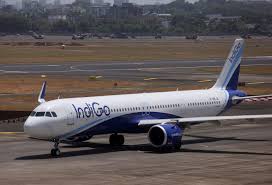
India’s largest carrier, IndiGo, has issued its second travel advisory this month, announcing an extension of flight cancellations on select international routes due to ongoing tensions surrounding Iranian airspace. The airline confirmed that services to and from Tbilisi, Almaty, Baku and Tashkent will remain disrupted, with previously announced cancellations now extended until March 28, 2026.
In a statement posted on X, IndiGo said flight operations continue to be impacted “considering the ongoing developments in the region around Iran and its associated airspace.” The airline reiterated that the safety and well-being of passengers and crew remain its top priority as it closely monitors the evolving geopolitical situation.
This latest advisory follows an earlier announcement made on February 3, when IndiGo had suspended flights on the same routes until February 28 in response to what it described as a “developing situation around Iran.” With tensions showing little sign of easing, the suspension has now been prolonged by an additional month.
Passengers affected by the cancellations have been advised to visit the airline’s official website to explore alternative travel arrangements, including rescheduling or refunds. Industry experts note that airspace restrictions and security concerns in volatile regions can significantly disrupt international flight schedules, often leading airlines to reroute or suspend operations as a precautionary measure.
The travel disruption comes amid renewed diplomatic and military developments between Iran and the United States. Iranian officials are currently in Switzerland for a second round of talks with US representatives, scheduled for Tuesday, in an effort to address escalating tensions.
Simultaneously, Iran’s Revolutionary Guards conducted a naval exercise in the strategically vital Strait of Hormuz on Monday. The drill, named “Smart Control of Hormuz Strait,” was aimed at testing operational preparedness against what Iranian authorities described as “possible security and military threats.” The Strait of Hormuz remains one of the world’s most critical oil transit chokepoints, making any military activity in the region a matter of global concern.
Ahead of the diplomatic talks, Iran’s Foreign Minister Abbas Araghchi met with Rafael Grossi, Director General of the International Atomic Energy Agency (IAEA), for what were described as in-depth technical discussions. The meeting signals continued international scrutiny of Iran’s nuclear programme amid rising geopolitical strain.

Adding to the tension, the United States has reportedly moved a second aircraft carrier to the Middle East to bolster its military presence. In response, Iranian officials have warned of potential countermeasures targeting US military bases in the region if hostilities escalate.
As diplomatic efforts unfold alongside military posturing, airlines operating near Iranian airspace are expected to remain cautious. For now, IndiGo’s extended cancellations underscore how geopolitical flashpoints can quickly ripple into global aviation networks, affecting thousands of travellers across continents.




 English
 Gujarati
 Hindi
Hindi Kannada
 Malayalam
 Marathi
 Punjabi
 Tamil
Tamil Telugu