


 India
India

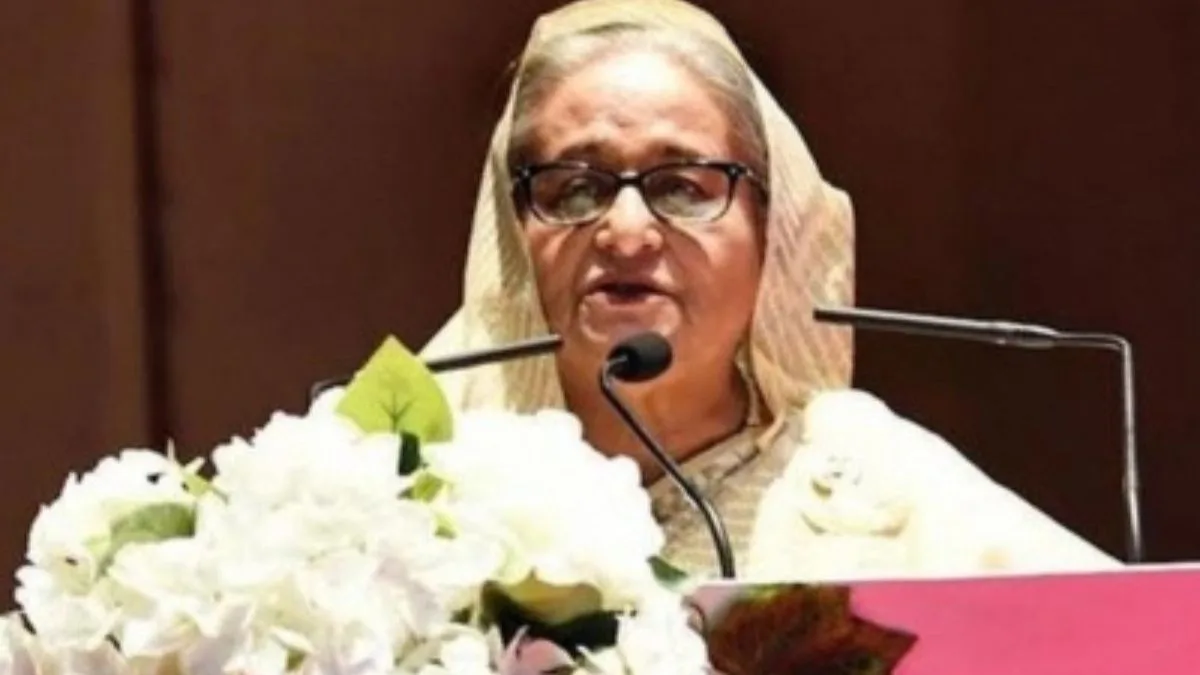
New Delhi finds itself at the centre of a sensitive diplomatic storm after Bangladesh formally sought the extradition of its former prime minister Sheikh Hasina, who has been living in India since fleeing her country in the wake of mass protests in August 2024. The Ministry of External Affairs (MEA) on Wednesday confirmed that Dhaka’s request has been received and is currently under detailed legal scrutiny.
MEA spokesperson Randhir Jaiswal, addressing the weekly media briefing, said India is “examining” the plea through established judicial and internal processes. His remarks marked New Delhi’s first official acknowledgment since a Bangladeshi tribunal sentenced Hasina to death on November 17 for alleged crimes against humanity related to her government’s handling of student-led protests last year.
The International Crimes Tribunal (ICT), a domestic court set up by Bangladesh’s current interim regime, convicted Hasina of inciting, facilitating, and failing to prevent violence committed by law enforcement and Awami League-linked cadres. Alongside the death sentence, the tribunal also handed her a separate punishment of imprisonment until death. Hasina denounced the verdict as politically motivated, describing the tribunal as “rigged” and controlled by an unelected administration seeking to eliminate the Awami League from Bangladesh’s political landscape.
Dhaka has pressed India to honour the bilateral extradition treaty and hand over Hasina, as well as former home minister Asaduzzaman Khan Kamal, who received an identical death sentence. Kamal, believed to be currently residing in Kolkata, fled Bangladesh shortly after the fall of the Hasina government. Another co-accused, former police chief Chowdhury Abdullah Al-Mamun, was also convicted in the same trial.
India, maintaining a cautious diplomatic posture, stated that its approach remains guided by the interests of the Bangladeshi people. “We remain committed to peace, democracy, inclusion and stability in Bangladesh and will continue engaging constructively with all stakeholders,” Jaiswal said.
The extradition issue also adds complexity to ongoing security discussions between the two nations. Just two days after the tribunal’s verdict, India’s National Security Adviser Ajit Doval met his Bangladeshi counterpart Khalilur Rahman in Delhi. The meeting, held ahead of the Colombo Security Conclave (CSC) NSAs’ gathering, covered a wide agenda including regional security dynamics in the Indian Ocean—an area where China’s growing footprint remains a strategic concern.
As Dhaka intensifies its call for Hasina’s return to face sentencing, New Delhi must balance legal obligations, humanitarian considerations, and geopolitical sensitivities—making the coming weeks crucial for India-Bangladesh relations.



 English
 Gujarati
 Hindi
Hindi Kannada
 Malayalam
 Marathi
 Punjabi
 Tamil
Tamil Telugu