


 India
India

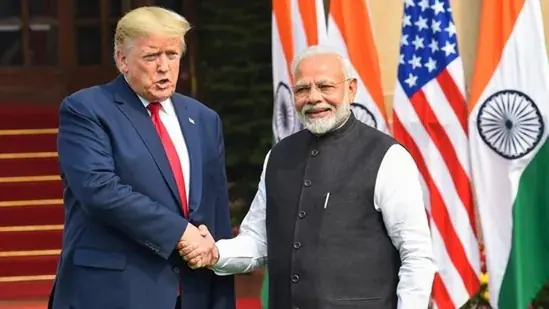
The Ministry of External Affairs (MEA) has categorically denied a wave of misleading reports circulating online in the wake of US President Donald Trump’s surprise decision to impose a 25 percent tariff on Indian goods. Taking to social media platform X, the MEA’s official fact-check unit dismissed claims suggesting that India was reviewing its list of tariff-exempted American goods or considering suspending bilateral trade agreements with the United States.
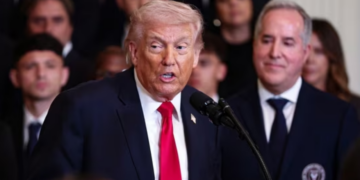
The reports, widely shared on social platforms, had speculated that New Delhi was preparing an aggressive counter-response following Trump’s announcement on August 1. The U.S. president had posted on Truth Social that the new tariffs were a response to India’s continued trade relationship with Russia and its deepening involvement with the BRICS bloc.
“Remember, while India is our friend, we have, over the years, done relatively little business with them because their tariffs are far too high… and they have the most strenuous and obnoxious non-monetary trade barriers of any country,” Trump wrote. In a subsequent post, he went further, taking a direct swipe at both India and Russia, saying, “Let their dead economies go down together.”
Amid the fallout from these remarks, the MEA swiftly clarified that India is not reviewing its bilateral trade frameworks in retaliation. Instead, diplomatic sources speaking to Hindustan Times confirmed that both countries remain “intensely engaged” in trade negotiations aimed at a mutually acceptable solution.
“We are engaged through virtual mode as of date and are likely to iron out the remaining differences when the American negotiating team visits India for the sixth physical round this month,” a senior Indian official revealed. The U.S. delegation is expected to arrive in New Delhi on August 24 to continue discussions that have spanned several months.
The MEA also reiterated that India-US relations have “weathered several challenges” in the past and emphasized that constructive engagement is the preferred route over confrontation.
As trade talks resume in earnest, all eyes will be on how both democracies navigate this diplomatic turbulence — balancing strategic partnerships with geopolitical disagreements over Russia and global economic alignments.

 English
 Gujarati
 Hindi
Hindi Kannada
 Malayalam
 Marathi
 Punjabi
 Tamil
Tamil Telugu