





 India
India

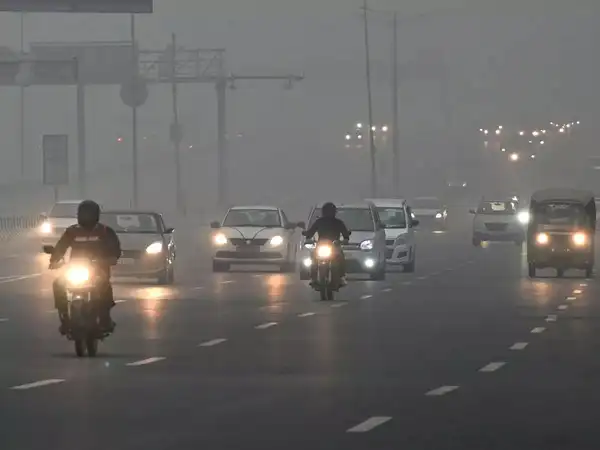
New Delhi is grappling with hazardous air pollution as the Delhi government has issued a directive mandating that all government offices and private organisations operate with only 50 per cent of their staff physically present, with the remaining employees required to work from home. The move comes in response to escalating pollution levels across the city, which are nearing the ‘severe’ threshold, posing serious health risks to residents.
A dense layer of smog enveloped New Delhi in the early hours of 24 November 2025, further exacerbating concerns about air quality. The Delhi government’s Department of Environment & Forests emphasized that private offices operating within the National Capital Territory (NCT) must limit physical attendance to half of their workforce. Additionally, offices are encouraged to adopt staggered work hours wherever feasible to reduce vehicular traffic and comply strictly with work-from-home norms.
The order exempts essential services such as hospitals, public and private health facilities, fire services, public transportation, electricity, water, sanitation, and other emergency operations. These sectors will continue to function at full capacity to ensure uninterrupted service delivery.
According to the Central Pollution Control Board (CPCB), Delhi’s overall Air Quality Index (AQI) on Monday was recorded at 382, with 15 monitoring stations registering levels above 400. Historical data from the CPCB indicate that the average AQI in the city has consistently hovered at dangerously high levels over the past week—391 on Sunday, 370 on Saturday, 374 on Friday, 391 on Thursday, 392 on Wednesday, 374 on Tuesday, and 351 on Monday. The CPCB classifies an AQI of 301–400 as ‘very poor’ and 401–500 as ‘severe,’ highlighting the urgent need for precautionary measures.
Delhi Environment Minister Manjinder Singh Sirsa stated that the government is enforcing all pollution-control measures with full seriousness, including continuous monitoring of air quality. In addition, the city has implemented staggered timings for Municipal Corporation of Delhi (MCD) and GNCTD offices to reduce peak-hour traffic emissions. Stage 3 of the Graded Response Action Plan (Grap) has been active in the city since 11 November, aiming to curb emissions and improve air quality in the coming days.
Residents are advised to limit outdoor activities, use masks when traveling, and follow government guidelines to mitigate the health impact of worsening pollution levels in the national capital.





 English
 Gujarati
 Hindi
Hindi Kannada
 Malayalam
 Marathi
 Punjabi
 Tamil
Tamil Telugu