


 India
India

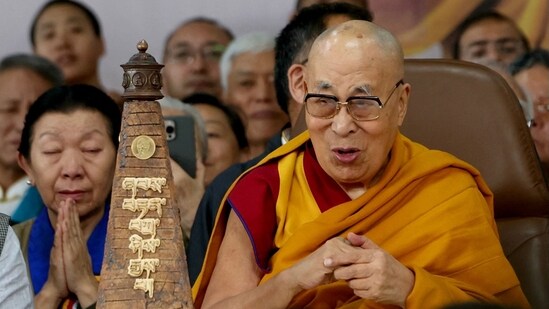
China has lodged a strong diplomatic protest with India following Prime Minister Narendra Modi’s birthday greetings to the Dalai Lama on his 90th birthday and the attendance of senior Indian officials at the celebrations held in Dharamshala on July 6.
In a statement issued on Monday, Chinese foreign ministry spokesperson Mao Ning reiterated Beijing’s long-standing position on Tibet, referring to the 14th Dalai Lama as a “political exile” involved in “anti-China separatist activities.” The Tibetan spiritual leader, exiled since 1959, celebrated the milestone event at the Main Tibetan Temple in McLeodganj, Himachal Pradesh.
“The position of the Chinese government on Xizang-related issues is consistent and clear. The 14th Dalai Lama is a political exile who has long engaged in anti-China separatist activities and seeks to separate Xizang from China under the cloak of religion,” Mao Ning told reporters, using China’s official term for Tibet — Xizang.
Prime Minister Modi, in a message posted on social media platform X, hailed the Dalai Lama as “an enduring symbol of love, compassion, patience, and moral discipline,” and wished him continued good health and a long life. India’s Parliamentary Affairs Minister Kiren Rijiju, along with fellow Union minister Rajiv Ranjan Singh, Arunachal Pradesh Chief Minister Pema Khandu, and Sikkim minister Sonam Lama, also attended the birthday celebrations, prompting Beijing’s rebuke.
China warned India to be “fully cognizant” of the sensitivity of Tibet-related issues and not to interfere in its internal affairs. “India needs to honour the commitments it has made to China on issues related to Xizang,” Mao Ning asserted.
Meanwhile, the Chinese Ambassador to India, Xu Feihong, took to social media to emphasize Beijing’s stance on the reincarnation of the Dalai Lama, asserting that the process is governed by a centuries-old Chinese religious tradition. “The 14th Dalai Lama is part of this long-standing historical tradition and religious succession. He has no authority to decide whether the reincarnation system shall continue or be abolished,” Xu said.
Responding to China’s stance, the Indian government maintained its neutral position. Ministry of External Affairs spokesperson Randhir Jaiswal reiterated that India respects freedom of religion and does not intervene in matters of religious belief. “The Government of India does not take any position or speak on matters concerning beliefs and practices of faith and religion,” Jaiswal stated.

On July 2, days before the birthday celebrations, the Dalai Lama had publicly asserted that the institution of the Dalai Lama would continue after his death and that his successor would be chosen outside China’s influence. “No one else has the authority to decide on the matter,” the spiritual leader declared, directly challenging Beijing’s claims.
This latest exchange reflects the longstanding tensions between New Delhi and Beijing over the Tibet issue, which remains a key flashpoint in their complex bilateral relationship.
 English
 Gujarati
 Hindi
Hindi Kannada
 Malayalam
 Marathi
 Punjabi
 Tamil
Tamil Telugu