

 India
India

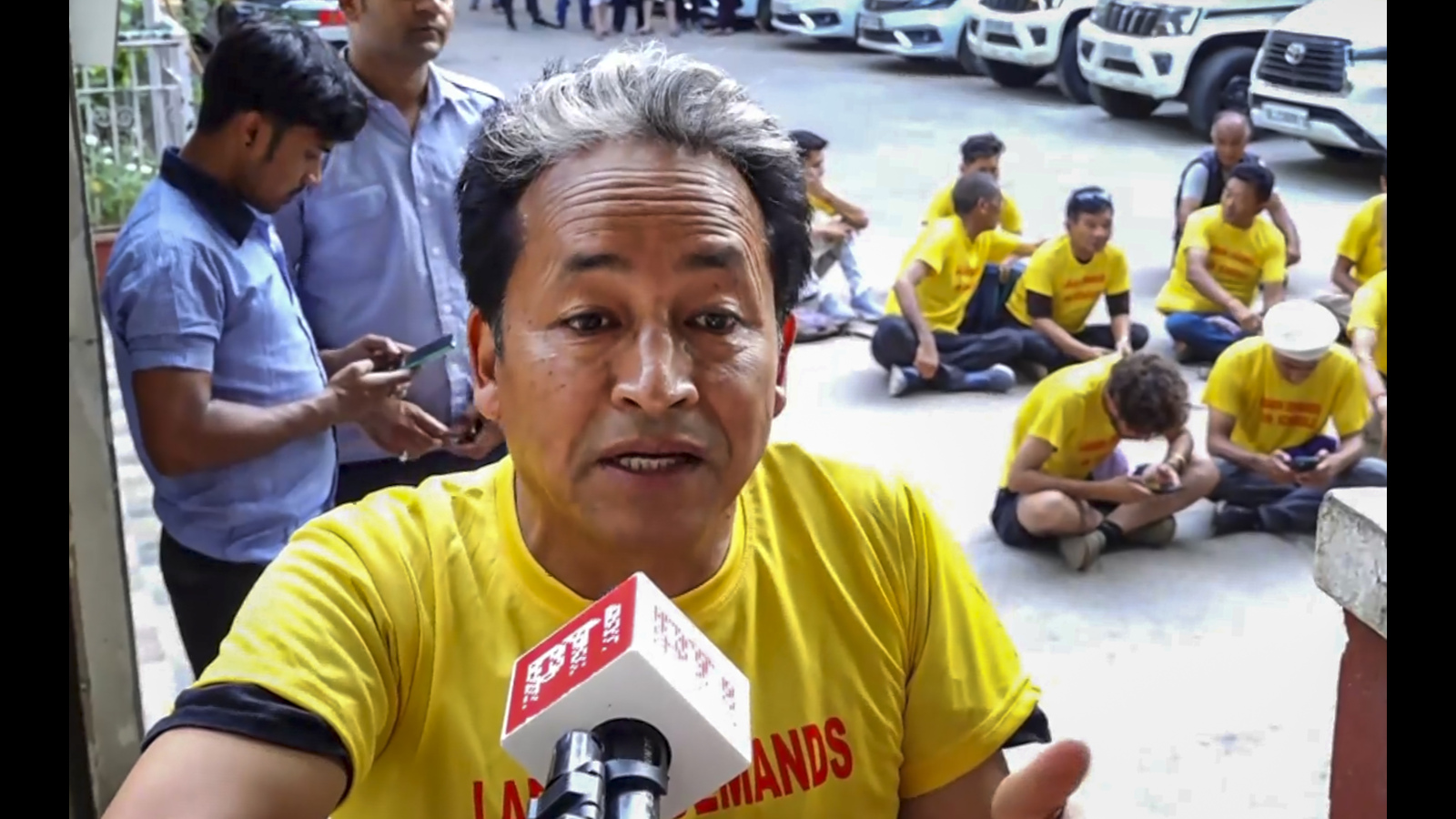
The Union government on Monday strongly defended the detention of Ladakh-based educationist and climate activist Sonam Wangchuk, accusing him of attempting to incite a “Bangladesh- and Nepal-like” youth-led uprising in the Union territory. Appearing before the Supreme Court, Solicitor General Tushar Mehta argued that Wangchuk’s statements and actions went beyond peaceful protest and entered what he described as “secessionist” activity, warranting his detention under the stringent National Security Act (NSA).
The submissions were made during a hearing challenging Wangchuk’s arrest, with the Centre insisting that the activist had deliberately invoked examples of regime-changing protests in neighbouring countries to provoke a similar movement in Ladakh, particularly among Gen Z protesters.
Quoting from Wangchuk’s speeches and videos, Mehta told the court that the activist had allegedly said he was ready to “sacrifice his life” and was unafraid of legal consequences, while referring to mass movements in Bangladesh, Sri Lanka and Nepal as examples of how “people brought change”. According to the government, these remarks were not innocuous references but calculated signals intended to mobilise young protesters toward destabilising action.
“These words alone are sufficient for the district magistrate to act,” Mehta submitted, arguing that invoking Mahatma Gandhi rhetorically while simultaneously glorifying upheavals in neighbouring countries revealed a deeper intent. “What he wants is a Nepal and Bangladesh-like situation in Ladakh,” the Solicitor General told the bench, adding that Wangchuk had also referred to self-immolation incidents that sparked the Arab Spring, a reference the Centre claims was deeply troubling in the prevailing security context.
“This is precisely the path he wants the Gen Z to follow,” Mehta said, defending the preventive detention as necessary to maintain public order and national security.
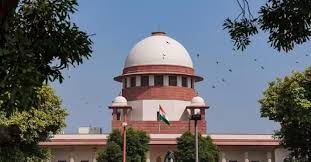
The Supreme Court bench, comprising Justices Aravind Kumar and Prasanna B Varale, is hearing the plea filed by Wangchuk’s wife, Gitanjali Angmo, challenging the legality of his detention. The matter is scheduled to be taken up again on Tuesday.
Appearing for the petitioner, senior advocate Kapil Sibal countered the Centre’s claims, arguing that the detention order was based on “stale” first information reports and selectively edited video clips taken out of context. Sibal also categorically denied allegations that Wangchuk had made derogatory remarks against Hindu deities, calling such claims unfounded and misleading.

Wangchuk was detained on September 26, 2025, under the NSA, which allows authorities to detain individuals without trial if they are deemed a threat to public order or national security. He was later shifted to a jail in Jodhpur.
His arrest came just two days after violent protests erupted in Ladakh over long-pending demands for full statehood and the inclusion of the region under the Sixth Schedule of the Constitution. Those protests left four people dead and at least 90 injured, prompting the Centre to accuse Wangchuk of playing a role in inciting the unrest.
As the legal battle unfolds, the case has sparked a wider debate over the limits of dissent, the use of preventive detention laws, and whether references to international protest movements can legitimately be construed as threats to national security.


 English
 Gujarati
 Hindi
Hindi Kannada
 Malayalam
 Marathi
 Punjabi
 Tamil
Tamil Telugu