
 India
India

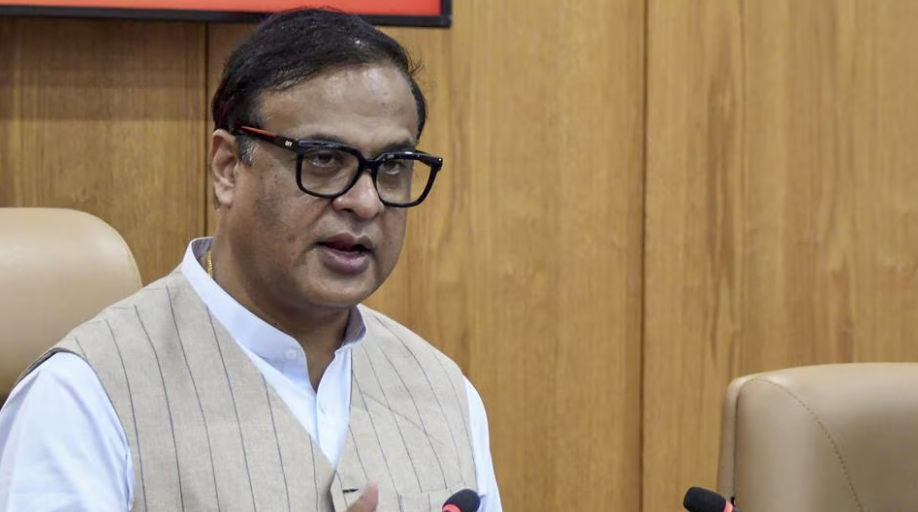
The Assam cabinet has approved the purchase of a proton beam therapy unit at a cost of ₹600 crore, marking a major expansion of advanced cancer treatment facilities in the state.
Chief Minister Himanta Biswa Sarma announced the decision after a cabinet meeting in Guwahati on Sunday, saying the facility will be established at Guwahati Medical College and Hospital (GMCH). Once operational, Assam is expected to become the first state in India to have proton beam therapy available in the public healthcare system.
“Proton beam therapy is one of the most advanced forms of treatment for cancer,” Sarma said. He added that the World Bank will provide a ₹315 crore loan, while the Assam government will contribute ₹285 crore towards the project.
According to the chief minister, proton beam therapy is currently available at only two private hospitals in India, located in Mumbai and Chennai, while state-run hospitals do not yet offer the treatment.
Proton beam therapy is an advanced form of radiation treatment that uses high-energy proton beams to target cancer cells with greater precision. Compared with conventional radiation techniques, the treatment can potentially reduce radiation exposure to surrounding healthy tissues, making it particularly useful for certain complex cancers.
Sarma said the facility would not only help patients from Assam but could also attract people from other parts of India and neighbouring regions for treatment.
“Once this treatment starts, we are hopeful of not just treating patients in our state but also attracting medical tourists,” he said.

The chief minister said there are currently only around 40 proton beam therapy units worldwide, underlining the specialised nature of the planned facility.
The cabinet also approved a ₹50,000 crore development expenditure over seven years, beginning in 2027-28, as part of the government’s plan to transform Assam into a developed state.
The proposed spending will cover several sectors, including the upgradation of 1,000 high schools, with ₹7 crore allocated to each, the construction of 6,000 new anganwadi centres, women’s markets, stadiums in constituencies and new road networks.
Of the ₹50,000 crore, the state plans to borrow ₹30,000 crore from NABARD, while the remaining ₹20,000 crore will come from enhanced state revenue collections.
 English
 Gujarati
 Hindi
Hindi Kannada
 Malayalam
 Marathi
 Punjabi
 Tamil
Tamil Telugu