



 India
India

RELATED POSTS
India has taken another significant step toward strengthening its military capabilities, with the Defence Acquisition Council (DAC) approving defence procurement proposals worth nearly ₹52,000 crore. The approvals, granted during a meeting chaired by Defence Minister Rajnath Singh, cover a wide range of advanced weapons, air defence systems, drones and surveillance platforms for the Indian Army, Navy and Air Force.
The council’s latest decisions come at a time when India is accelerating military modernization amid evolving regional security challenges and the growing importance of emerging technologies in warfare.
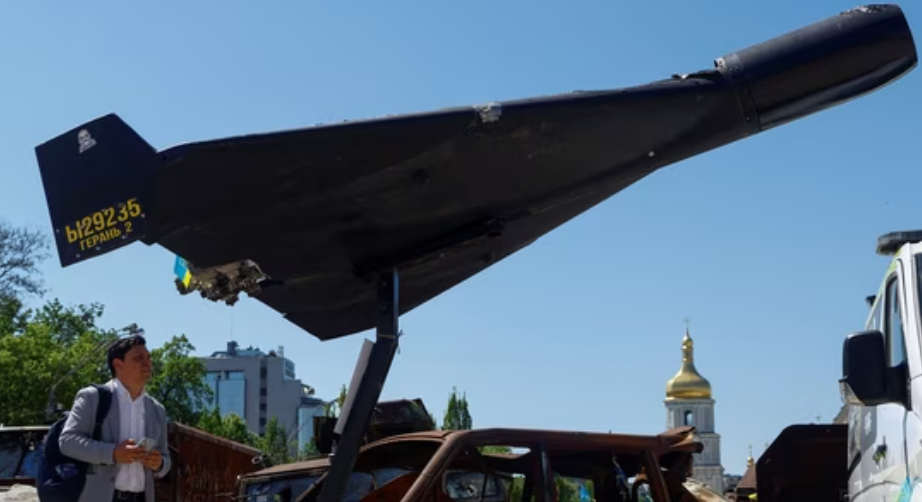
The DAC granted Acceptance of Necessity (AoN) for several key defence systems, marking the first stage in the procurement process under India’s defence acquisition framework. Among the most notable approvals are the acquisition of the AKASH TARANG anti-unmanned aerial vehicle (UAV) electronic warfare system, the Man-Portable Anti-Tank Guided Missile (MPATGM), the Medium-Range Surface-to-Air Missile (MRSAM) system, Very Short-Range Air Defence System (V-SHORADS), an active protection system for tanks, and a jet-powered kamikaze drone system.
These platforms are expected to significantly enhance the Indian Army’s operational effectiveness across multiple domains. The AKASH TARANG system will help protect military formations from hostile drones and unmanned aerial threats, a capability that has become increasingly important in modern battlefields. The MPATGM will provide infantry units with advanced anti-armour capabilities, improving their ability to counter enemy tanks and mechanized forces.
The MRSAM weapon system will strengthen medium-range air defence by engaging a variety of aerial threats, including aircraft, drones and stand-off weapons. Meanwhile, the V-SHORADS system, equipped with multi-spectral sensing technology, is designed to improve resistance against countermeasures while boosting the Army’s ability to intercept low-flying aerial targets.
Another major approval involves the procurement of an active protection system for tanks. Such systems are designed to detect and neutralize incoming anti-tank missiles and projectiles before they strike armored vehicles, significantly improving battlefield survivability. The Army will also receive jet-based kamikaze drones, which combine precision strike capabilities with advanced electronic warfare functions while remaining cost-effective compared to conventional weapons.
The Indian Navy will benefit from approvals for the Multi-Influence Ground Mine (MIGM), the Naval Shipborne Unmanned Aerial System (NSUAS), and the establishment of a Land-Based Testing Facility (LBTF) for electric propulsion systems. These acquisitions are expected to enhance maritime surveillance, improve operational awareness and strengthen naval warfare capabilities.
For the Indian Air Force, the DAC approved the procurement of a Fixed-Wing High-Altitude Pseudo Satellite (FW-HAPS). Operating at very high altitudes for extended durations, the platform will support intelligence, surveillance and reconnaissance (ISR) missions, telecommunications and remote sensing operations.
The meeting was also notable as it marked the first DAC session attended by India’s newly appointed military leadership, including Chief of Defence Staff General NS Raja Subramani, Army Chief General Dheeraj Seth and Navy Chief Admiral Krishna Swaminathan.
The latest approvals align with India’s broader push for defence modernization. Earlier this year, the government allocated ₹7.85 lakh crore for defence in the Union Budget 2026-27, including a capital outlay of ₹2.19 lakh crore for new military platforms, weapons systems and strategic capabilities.
With the latest procurement clearances, India continues to focus on enhancing combat readiness, strengthening air and missile defence networks, improving surveillance capabilities and integrating advanced technologies across all three armed services.




 English
 Gujarati
 Hindi
Hindi Kannada
 Malayalam
 Marathi
 Punjabi
 Tamil
Tamil Telugu