




 India
India

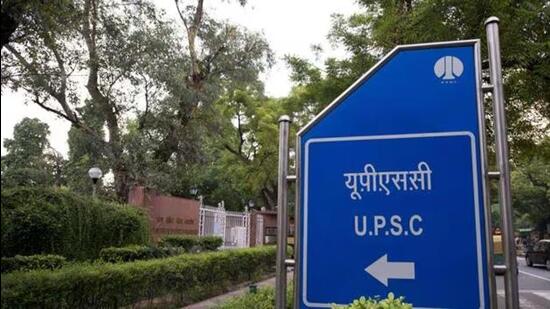
The Union Public Service Commission has successfully implemented real-time face authentication across all examination centres during the Civil Services and Indian Forest Service (Preliminary) Examination this year, marking a major technological upgrade in India’s premier recruitment process.
According to an official statement issued on Thursday, the new system was deployed nationwide to strengthen identity verification and eliminate impersonation during one of the country’s most competitive examinations. The initiative covered more than 2,000 examination venues and was operated with the help of over 7,000 invigilators.
The face authentication system works by matching the candidate’s live image at the exam centre with the photograph submitted during the application process. Every candidate was required to complete this verification before being granted entry into the examination hall, ensuring that only genuine applicants were allowed to appear for the test.
The entire process was facilitated through a smartphone-based application developed by the UPSC in collaboration with the National e-Governance Division under the Ministry of Electronics and Information Technology. Invigilators used standard Android smartphones—removing the need for any specialised hardware or expensive infrastructure.
Officials said the system was designed for speed and efficiency, with each authentication taking an average of six to eight seconds. Despite the large scale of the examination, the system maintained smooth entry flow at centres and helped prevent long queues during peak hours. At its highest capacity, the platform reportedly handled around 12,000 verifications per minute across the country.
The UPSC noted that this initiative was supported by detailed standard operating procedures (SOPs), which were shared with state authorities, district administrations, and examination centre officials. To ensure smooth implementation, multiple training sessions were conducted for invigilators before the examination.
Highlighting the scale of the operation, the Commission said that more than 9 lakh candidates had applied for the Civil Services Examination last year, with over 5.7 lakh actually appearing for the prelims. Ultimately, only a small fraction progressed through the rigorous selection stages, reinforcing the highly competitive nature of the exam.

UPSC Chairman Ajay Kumar said the goal of introducing face authentication was to make the examination process more secure and impersonation-free. He added that while the technology was developed in-house with technical support from NeGD, the larger challenge lay in deploying it across thousands of centres and training a large invigilation workforce within a limited timeframe.
With this rollout, the UPSC has taken a significant step toward digitising examination security and setting a precedent for large-scale public recruitment processes in India.




 English
 Gujarati
 Hindi
Hindi Kannada
 Malayalam
 Marathi
 Punjabi
 Tamil
Tamil Telugu