India
India

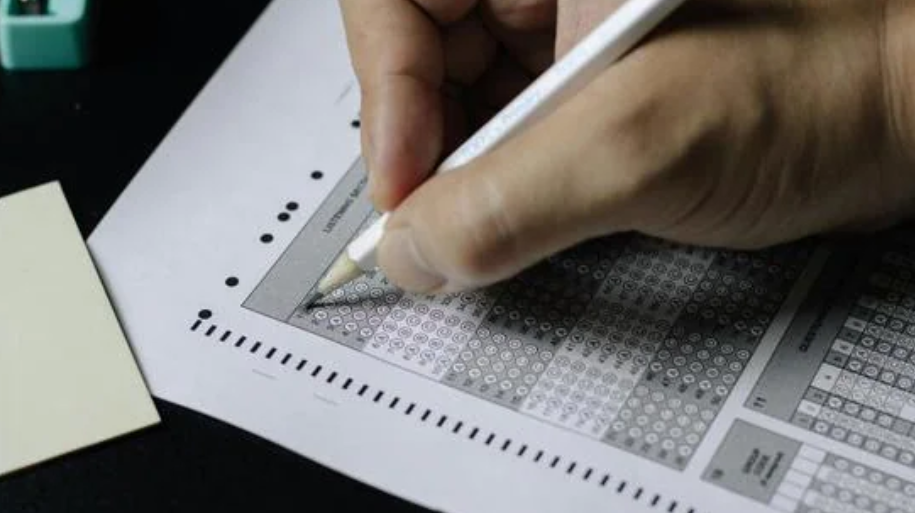
The National Testing Agency (NTA) has informed a parliamentary standing committee that it is preparing to introduce an upper age limit and a cap on the number of attempts for NEET-UG aspirants as part of long-term reforms for India’s largest medical entrance examination. The proposed changes come amid the fallout from the cancellation of NEET-UG 2026 following allegations of exam irregularities, though the agency has maintained that the incident should not be described as a “paper leak.”
At present, NEET-UG is conducted in a single-shift, pen-and-paper format, with candidates required to be at least 17 years old. There is currently no upper age limit and no restriction on the number of times a student can appear for the exam.
According to sources familiar with the parliamentary panel meeting held on Thursday, the NTA presented a roadmap for long-term reforms based on recommendations made by the expert committee chaired by former ISRO chief K Radhakrishnan. Among the key proposals are shifting from pen-and-paper exams to computer-based testing (CBT), introducing multi-session and multi-stage testing, and implementing age and attempt restrictions for candidates. These reforms are expected to be rolled out in consultation with the Union health ministry.
The reform discussion comes after NEET-UG 2026 was cancelled on May 12 after authorities found that at least 120 questions in a circulating “guess paper” overlapped with the actual May 3 examination. More than 2.2 million candidates were affected by the cancellation, and the re-examination is scheduled to be held on June 21.
During the committee meeting, NTA reportedly argued that the issue was not a direct “paper leak” but a case of malpractice and irregularities that surfaced after the exam. Several BJP members on the panel also objected to the use of the term “paper leak” in official discussion documents.
NTA told the panel that it conducted NEET-UG on May 3 and received information regarding alleged malpractice on May 7. These inputs were sent to central agencies on May 8 for independent verification. Based on subsequent findings, the government cancelled the exam on May 12 and handed the matter over to the Central Bureau of Investigation (CBI) for a detailed investigation.
The CBI has arrested 10 individuals in connection with the case, including Shivraj Raghunath Motegaonkar, founder of a coaching institute in Latur, retired chemistry lecturer PV Kulkarni, and Pune-based botany teacher Manisha Gurunath Mandhare. Investigators have also noted that Kulkarni and Mandhare were part of NTA’s NEET-UG 2026 expert panel, adding to concerns surrounding the examination process.
In court submissions seeking custody of the accused, the CBI stated that the Union education ministry had alleged that confidential exam material was circulated in PDF format through WhatsApp before the examination and that several of the circulated questions matched the actual NEET-UG paper.
The proposed attempt cap and age limit have sparked mixed reactions. Some education experts have supported the move, arguing that repeated attempts over many years can affect students’ academic and professional growth. Others have warned that sudden restrictions could disadvantage students from rural areas and economically weaker backgrounds, particularly those studying in state boards who may need more time and attempts to compete effectively.
Union Education Minister Dharmendra Pradhan had earlier announced that NEET-UG would shift to computer-based testing from next year. NTA currently has the infrastructure to conduct CBT for around 150,000 candidates per shift and plans to expand this capacity to one million candidates within a year.
The agency said that Phase-1 reforms have already been implemented for NEET-UG 2026 and will continue for the June 21 re-test. These include Aadhaar-linked biometric verification, face authentication during registration, multi-layer frisking, deployment of mobile jammers, CCTV surveillance with AI-based monitoring, state-wise control rooms, district-level audit committees, and government-run exam centres.
Phase-2 reforms under consideration include cloud-based exam systems, blockchain-enabled security architecture, stronger cryptographic protection, creation of an NTA-owned testing platform, and harmonisation of engineering and medical entrance examination systems through common technological standards.
Since its establishment in 2018, NTA has conducted more than 270 examinations involving over 66 million candidates, making these reforms one of the most significant overhauls in India’s national testing framework.



 English
 Gujarati
 Hindi
Hindi Kannada
 Malayalam
 Marathi
 Punjabi
 Tamil
Tamil Telugu