





 India
India

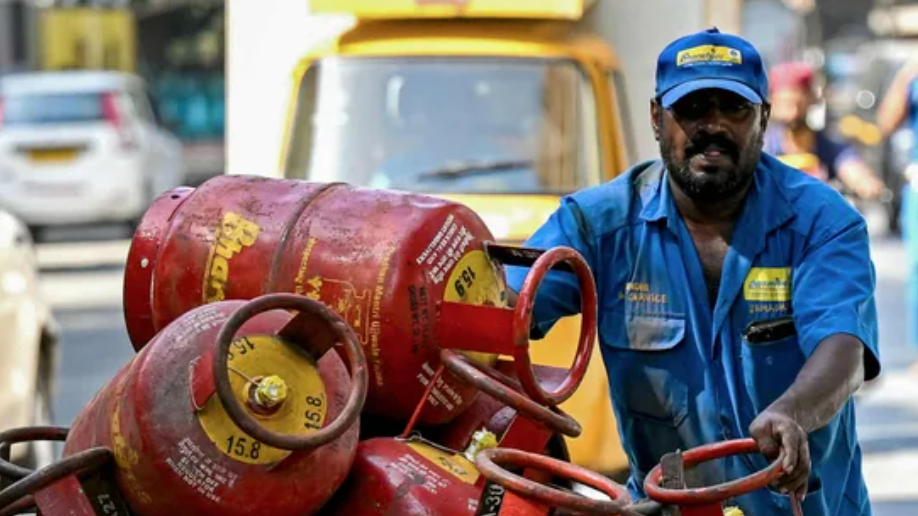
The Government of India has introduced a significant change in domestic cooking gas regulations that will directly impact households using both LPG cylinders and piped natural gas (PNG). Under the new directive issued by the Ministry of Petroleum and Natural Gas, consumers will no longer be allowed to retain both LPG and PNG connections simultaneously. In most cases, households that have an active PNG connection will be required to surrender their LPG cylinders.
According to the updated guidelines, oil marketing companies have been instructed to ensure strict compliance with the rule. If PNG is installed and being used in a household, LPG refills may be discontinued, and distributors have been directed not to issue or continue LPG services for such dual-connection users. The move is being enforced across urban regions where PNG infrastructure is already available.
The government has justified this decision as part of a broader energy management and supply optimisation strategy. India remains heavily dependent on imports for both crude oil and natural gas, with nearly 88% of crude oil and around 50% of natural gas sourced from international markets. Officials have pointed out that global supply disruptions, particularly in geopolitically sensitive regions such as West Asia and the Strait of Hormuz, can significantly impact fuel availability and pricing in India.
By discouraging dual connections, the government aims to streamline domestic fuel distribution, reduce redundancy, and prioritise LPG access for households that do not yet have PNG connectivity. At the same time, PNG is being promoted as a more stable and efficient alternative due to its pipeline-based delivery system, which eliminates logistical dependencies such as cylinder transportation and refilling delays.
PNG is considered more resilient to global supply chain shocks and is increasingly being adopted in major urban centres. It provides continuous supply through pipelines and is seen as a cleaner and more convenient fuel option for households.
Authorities have also confirmed that there is currently no shortage of LPG in the domestic market and supply levels remain stable. However, the policy shift is aimed at long-term optimisation rather than immediate scarcity concerns.
Enforcement of the new rule has already begun, with gas companies identifying households that have both LPG and PNG connections. Consumers are being asked to verify their records, and in several cases, LPG connections are being voluntarily surrendered after households switch to PNG. Oil companies have also been directed to maintain strict monitoring to prevent duplication of services.
Consumers are advised to check their LPG linkage status, update mobile and consumer records with distributors, and coordinate with local gas agencies if they already use PNG to avoid service interruptions.
This policy marks a notable shift in India’s domestic energy distribution framework, signalling a gradual transition toward pipeline-based urban gas systems.






 English
 Gujarati
 Hindi
Hindi Kannada
 Malayalam
 Marathi
 Punjabi
 Tamil
Tamil Telugu