India
India

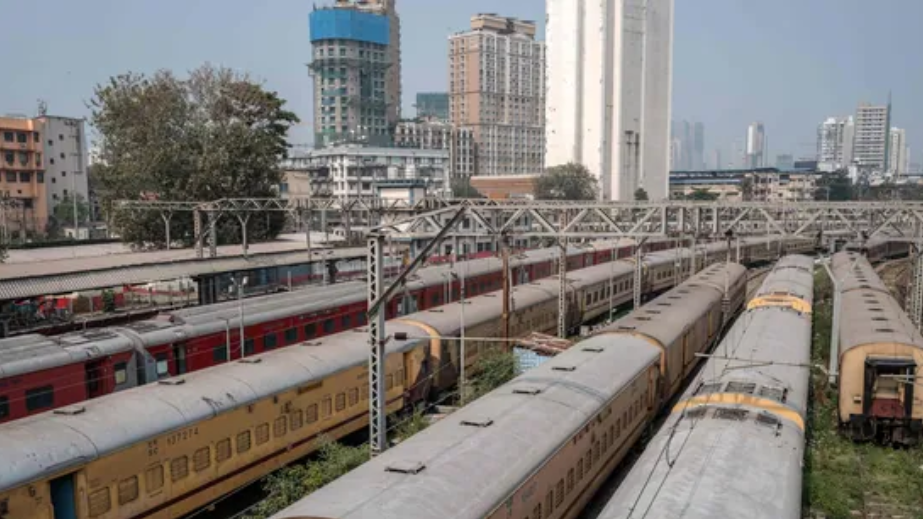

A looming LPG shortage triggered by the ongoing conflict in West Asia is beginning to ripple through India’s railway catering system, with Mumbai’s iconic railway snacks such as vada pav, samosas, and bread pakoda likely to disappear from station stalls in the coming days.
According to sources within the Indian Railway Catering and Tourism Corporation (IRCTC), the organisation’s cloud kitchen at Sewri—responsible for preparing meals for thousands of passengers travelling on the Central and Western railway networks—recently ran out of LPG supplies, temporarily halting cooking operations.
The Sewri facility typically prepares meals for nearly 4,500 passengers daily and supplies food to several premium long-distance trains operating from Mumbai. These include high-profile services such as the Vande Bharat Express, Rajdhani Express, Duronto Express, Shatabdi Express, and Tejas Express. Railway officials said contingency measures were introduced to ensure passengers on these trains were not left without food.
As part of the backup plan, pantry cars on some services—including the Rajdhani Express departing from Chhatrapati Shivaji Maharaj Terminus (CSMT)—were stocked with ready-to-eat meals instead of freshly cooked food. Officials indicated that this temporary arrangement would continue until LPG supplies stabilise.
The impact of the shortage, however, could be felt even more strongly across Mumbai’s vast suburban railway network, where millions of commuters rely on quick and affordable snacks sold at station stalls every day. Popular freshly prepared items such as vada pav, samosas, bread pakoda, idli and poha may soon become unavailable because frying and steaming these foods require significant quantities of LPG.
A stall owner operating food counters at multiple stations across both the Western and Central Railway networks said the situation is becoming increasingly uncertain. According to the vendor, current LPG reserves may last only about a week.
“Large commercial electric stoves and induction cookers are expensive, making them difficult for smaller stall operators to purchase immediately,” the vendor said, highlighting the financial strain on small businesses operating at railway stations.
The scale of the potential disruption is significant. The Western Railway’s Mumbai division alone has more than 460 food stalls, with 264 located along the busy Churchgate–Dahanu suburban stretch. Meanwhile, the Central Railway operates 194 food stalls, including 152 across the heavily used CSMT–Karjat, Kasara and Panvel suburban corridors.
In response to the developing situation, IRCTC has issued an advisory to catering license holders across the network, instructing them to ensure uninterrupted food availability for passengers wherever possible. The advisory suggests switching to alternative cooking methods such as microwaves or induction-based appliances to cope with any LPG shortages.
As a result, some stalls have already begun installing small induction stoves, primarily to heat pre-prepared food items that cannot be served cold.
Meanwhile, concerns remain that catering services on long-distance trains could also face disruptions if LPG supplies remain constrained. IRCTC officials said the situation is currently under control but remains fluid and could change depending on the availability of fuel.
Recognising the urgency, Railway Board Chairperson and CEO Satish Kumar has reportedly written to the Ministry of Petroleum and Natural Gas requesting uninterrupted LPG supply for essential railway operations. The Railways have asked for the continued provision of more than 8,000 LPG cylinders across 340 stations nationwide to ensure that catering and other operational services continue without interruption.
For now, railway authorities are scrambling to keep meals flowing—but Mumbai’s commuters may soon have to brace for a temporary disappearance of their beloved station snacks.


 English
 Gujarati
 Hindi
Hindi Kannada
 Malayalam
 Marathi
 Punjabi
 Tamil
Tamil Telugu