



 India
India

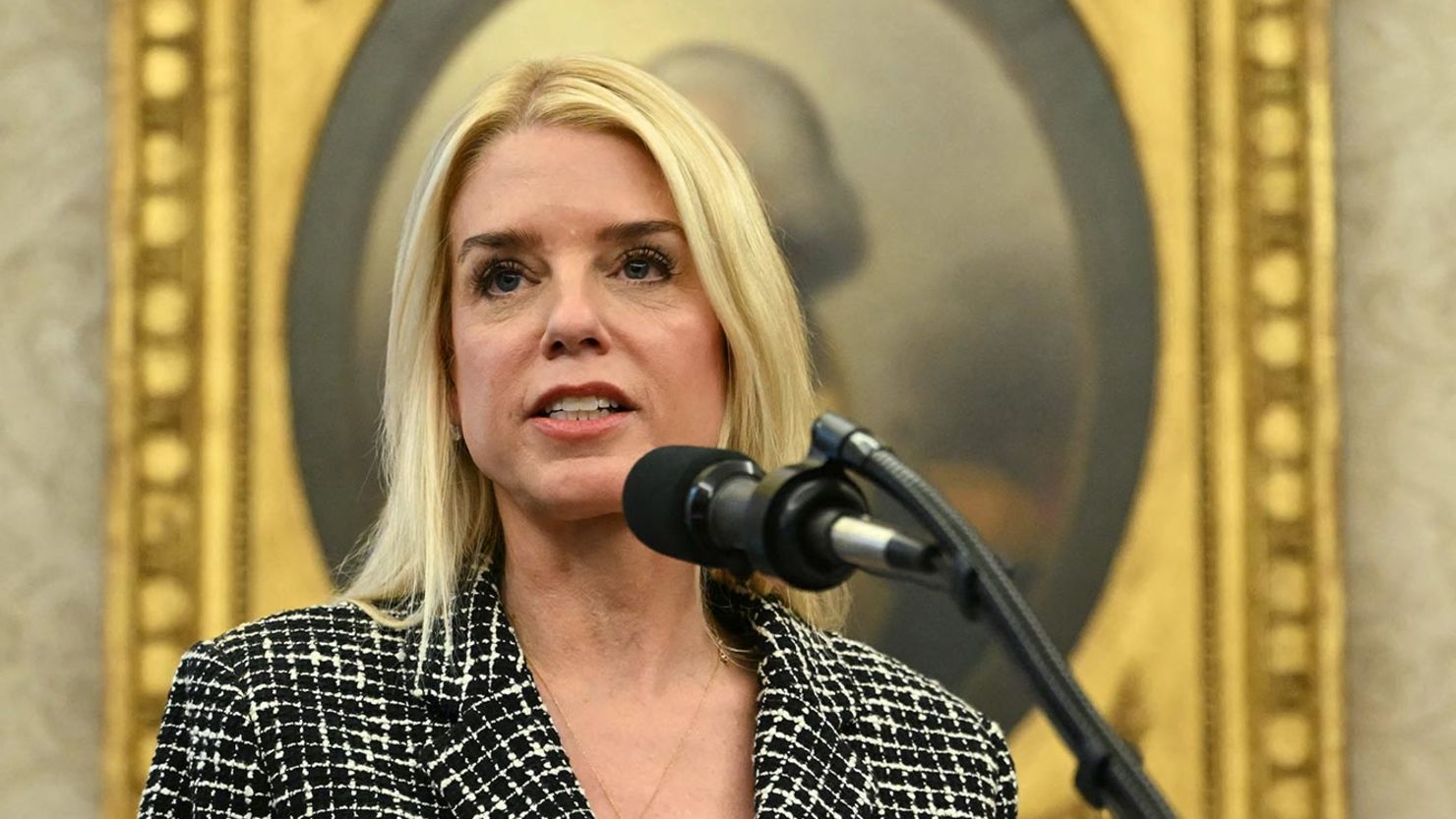
Luigi Mangione’s defence team has launched a fresh and high-stakes legal challenge in his federal prosecution, calling on U.S. Attorney General Pam Bondi to step aside from the case over what they describe as a “profound” conflict of interest linked to her past lobbying work connected to UnitedHealthcare.
In a motion filed on December 19, ahead of a crucial January 9 hearing in Manhattan federal court, Mangione’s attorneys argued that Bondi’s involvement in directing prosecutors to seek capital punishment undermines the integrity of the legal process. Federal prosecutors are pursuing the death penalty against Mangione, a move the defence says was personally authorised by the attorney general.
At the heart of the defence’s argument is Bondi’s former role as a partner at Ballard Partners, a prominent Washington lobbying firm that has represented UnitedHealth Group. Mangione’s lawyers contend that this prior association creates an appearance — and reality — of divided loyalties, particularly given the gravity of the punishment being sought.
In their filing, the defence raised due process concerns, arguing that Bondi continues to financially benefit from her past affiliations. “Any criminal defendant, let alone one who the government is trying to kill, is due a criminal process that is untainted by the financial interests of his prosecutors,” the attorneys wrote. They further alleged that Bondi violated an ethical commitment made upon assuming office, in which she pledged to avoid matters involving former clients.
The defence described Bondi’s directive to pursue the death penalty as an “unprecedented step” that intensifies the alleged conflict. They argued that her involvement goes beyond routine oversight and directly influences prosecutorial decisions in a case with life-or-death consequences.
The motion also references an April episode in which a senior Justice Department official, identified as Garnett, reportedly advised Bondi not to publicly discuss the case. This followed remarks by the attorney general suggesting that the decision to seek the death penalty aligned with President Donald Trump’s broader public safety agenda.
Federal prosecutors have firmly rejected the defence’s claims. In earlier filings, they argued that prior professional relationships, public commentary, or media scrutiny do not automatically amount to a constitutional conflict requiring recusal or dismissal of charges. The prosecution maintains that the case has proceeded within legal and ethical boundaries.

The dispute unfolds alongside other legal battles in Mangione’s case. Just days before the latest motion, his lawyers challenged evidence obtained during his detention in Pennsylvania, raising questions about admissibility during a pretrial suppression hearing in state court. A ruling on that issue is expected in May.
Beyond seeking Bondi’s recusal, the defence is asking the court for sweeping remedies. These include suppressing statements and evidence gathered during Mangione’s detention, dismissing two charges, and barring prosecutors from pursuing the death penalty altogether.
The January 9 hearing is expected to play a pivotal role in determining whether key evidence will be admitted and whether the defence’s conflict-of-interest claims gain traction. As the case advances, the outcome could have significant implications not only for Mangione’s fate but also for the broader debate over prosecutorial ethics at the highest levels of the U.S. Justice Department.



 English
 Gujarati
 Hindi
Hindi Kannada
 Malayalam
 Marathi
 Punjabi
 Tamil
Tamil Telugu