





 India
India

Mass layoffs at Amazon, Oracle, Pinterest, Expedia and other tech-heavy firms are increasingly being framed as the inevitable fallout of artificial intelligence. But behind the AI narrative lies a more complex reality — one shaped by cost-cutting pressure, post-pandemic overhiring, investor expectations, and corporate restructuring that predates the generative AI boom.
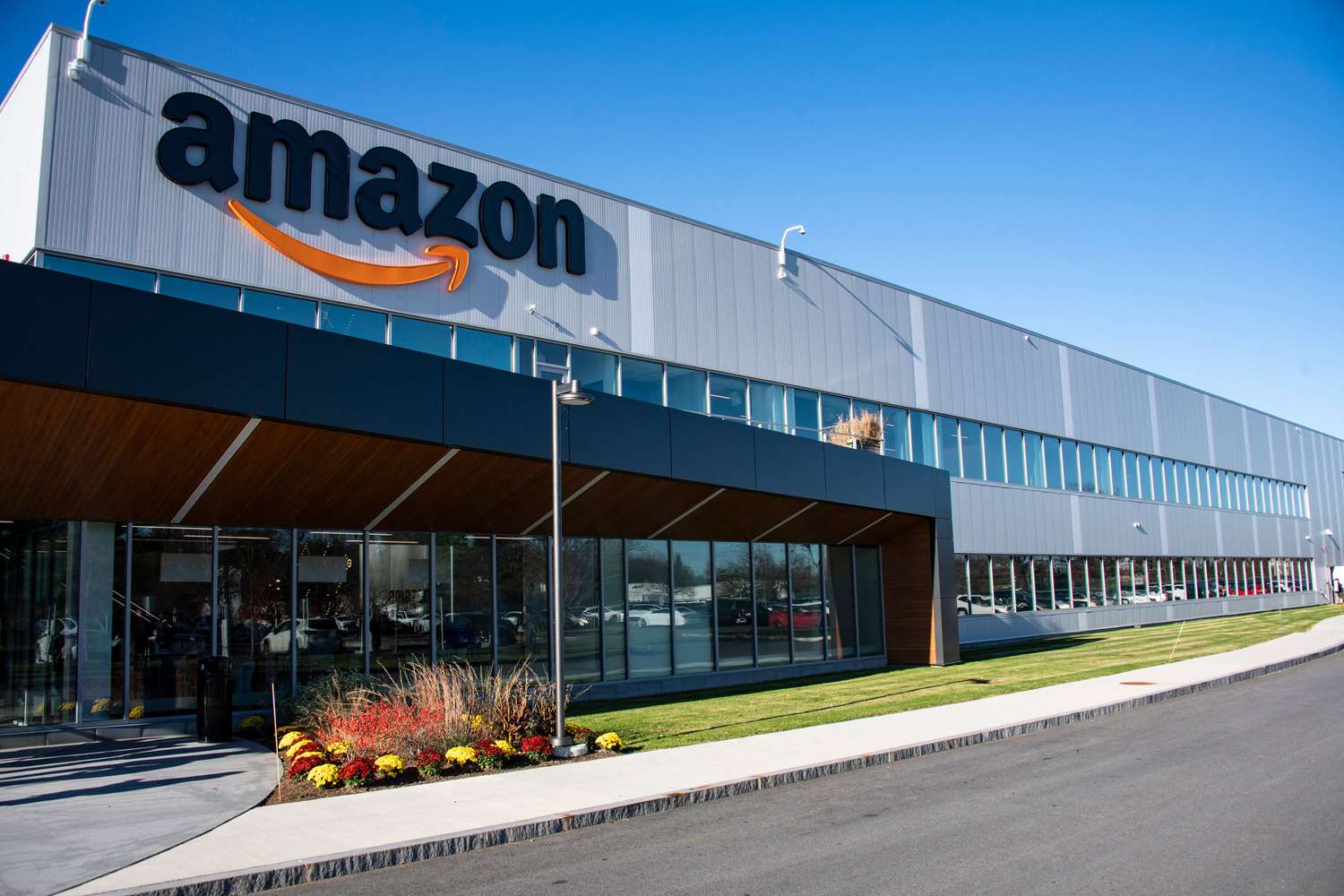
Amazon’s decision to eliminate around 16,000 corporate roles reignited the debate, especially after CEO Andy Jassy publicly linked workforce reductions to “efficiency gains from using AI extensively across the company.” That explanation, however, has been met with scepticism — even from employees who were deeply embedded in Amazon’s AI transition.
N Lee Plumb, head of “AI enablement” at Amazon before being laid off, said his dismissal had nothing to do with resistance to AI. In fact, he told the Associated Press he was among the most prolific users of Amazon’s internal AI coding tool, Kiro, ranking in the top five company-wide. “AI has to drive a return on investment,” Plumb said, arguing that layoffs are often less about technology and more about shareholder optics.
Economists echo that view. Karan Girotra, professor of management at Cornell University, said AI-driven productivity gains typically benefit individual workers first, not organisations at scale. “People finish work faster, but companies need time to redesign management structures before they can sustainably operate with fewer employees,” he noted. Girotra believes many tech firms are still correcting for excessive hiring during the Covid-19 pandemic rather than reacting to AI disruption alone.
Wall Street incentives also play a major role. Cutting headcount sends a powerful signal of “efficiency” to investors, often boosting stock prices regardless of the underlying cause. “You reduce headcount, attribute it to AI, and suddenly you have a compelling value story,” Plumb said.
While some companies have openly linked job cuts to AI — Pinterest said it was reallocating resources to AI-focused teams, and Dow tied 4,500 layoffs to automation — contradictions remain. Expedia’s recent cuts included machine-learning scientists, and Amazon’s reductions coincided with the closure of most Amazon Go and Amazon Fresh stores, affecting around 5,000 retail workers alongside corporate staff.
Goldman Sachs’ latest AI adoption tracker suggests that, so far, AI has had only a limited impact on overall employment, with effects concentrated in specific roles like marketing, customer service, design and tech. The report found few layoffs directly attributable to AI, though it was published before several high-profile announcements in January.

Looking ahead, tech leaders are signalling deeper changes. Meta CEO Mark Zuckerberg has said 2026 will be the year AI “dramatically changes the way we work,” with flatter teams and fewer layers of management. Yet even Meta’s recent layoffs have focused more on virtual reality and metaverse units than AI itself.
Ultimately, analysts say the blunt truth is cost control. “They need to cut costs and make it happen,” Girotra said. “The reason almost doesn’t matter.”
Not every company is invoking AI. Home Depot said its 800 corporate job cuts were about speed and agility, while Peloton framed its 11 per cent workforce reduction as broad cost-cutting. Together, these cases suggest AI is often less the cause of layoffs — and more the story companies choose to tell.






 English
 Gujarati
 Hindi
Hindi Kannada
 Malayalam
 Marathi
 Punjabi
 Tamil
Tamil Telugu