


 India
India

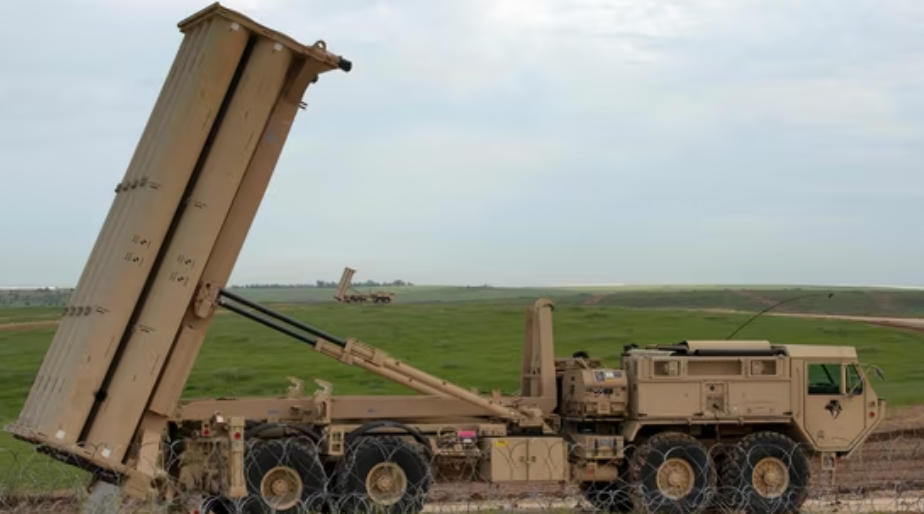
Iran has successfully destroyed a $300-million radar system used by US Terminal High Altitude Area Defence (THAAD) batteries in Jordan, escalating concerns about missile defence vulnerabilities in the ongoing US-Iran conflict. The AN/TPY-2 radar at Muwaffaq Salti Air Base, crucial for tracking and intercepting ballistic missiles, was confirmed destroyed following Iranian strikes on February 28 and March 3, according to satellite imagery and US officials.
The loss of the radar means missile interception duties will now fall on shorter-range Patriot systems, which rely on PAC-3 missiles that are already in limited supply. Military experts warn that this could strain air and missile defence coverage across the region, increasing the risk from continued Iranian drone and missile attacks.
“The destruction of a THAAD radar would mark one of Iran’s most successful attacks so far,” said Ryan Brobst, Deputy Director of the Centre on Military and Political Power at the Foundation for the Defence of Democracies. He also noted that the US and its partners have other radar systems capable of maintaining coverage, mitigating the loss of a single unit.
THAAD batteries are designed to destroy ballistic missiles at the edge of the atmosphere, providing capabilities beyond those of shorter-range Patriot systems. Each THAAD battery consists of six truck-mounted launchers, forty-eight interceptors, a TPY-2 radar, a tactical fire control unit, communication systems, and a team of ninety soldiers. The interceptors alone, manufactured by Lockheed Martin, cost about $13 million each.
The US currently operates eight THAAD batteries worldwide, including in South Korea and Guam. Analysts note that the Army’s existing eight-battery force remains below the nine-battery requirement set in 2012, meaning spare TPY-2 radars are limited. Tom Karako, a missile defence expert with the Centre for Strategic and International Studies, described the loss as a “huge blow” to scarce strategic resources.
Earlier in the war, a fixed AN/FPS-132 radar in Qatar was also damaged by Iranian attacks. While that radar serves as an early-warning system, it lacks the precision of a THAAD battery for active missile interception.
The continued Iranian missile and drone attacks have stressed air and missile defence systems in the Gulf, prompting fears that stockpiles of THAAD and PAC-3 interceptors could soon run dangerously low. Defence contractors, including Lockheed Martin and RTX Corp, recently met at the White House to accelerate production and address the growing shortfall.





 English
 Gujarati
 Hindi
Hindi Kannada
 Malayalam
 Marathi
 Punjabi
 Tamil
Tamil Telugu