



 India
India

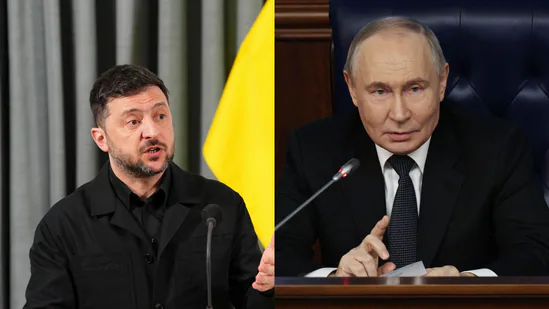
Ukraine, Russia, and the United States have begun high-level negotiations in Abu Dhabi in a renewed diplomatic push to explore a political pathway out of the nearly four-year-long war, with Ukraine’s eastern Donbas region emerging as the most contentious issue on the table.
The talks, hosted by the United Arab Emirates, formally commenced on Friday and are scheduled to continue over two days, according to a statement issued by the UAE foreign ministry. Abu Dhabi has positioned itself as a neutral diplomatic platform amid intensifying global efforts to contain the conflict, which has reshaped European security and strained relations between Moscow and the West.
“These discussions are part of ongoing efforts to promote dialogue and identify political solutions to the crisis,” the UAE foreign ministry said, as quoted by Reuters. Officials declined to disclose the full agenda, but multiple diplomatic sources indicate territorial control, security guarantees, and the future status of Russian-occupied regions dominate the negotiations.
The timing of the talks underscores a flurry of diplomatic activity involving all three capitals. The meeting comes just a day after US President Donald Trump held face-to-face discussions with Ukrainian President Volodymyr Zelensky on the sidelines of the World Economic Forum in Davos. That engagement marked Trump’s most direct involvement yet in shaping a possible settlement framework since returning to the White House.
Hours before the Abu Dhabi talks began, US special envoy Steve Witkoff met Russian President Vladimir Putin at the Kremlin, signaling Washington’s willingness to engage Moscow directly despite ongoing sanctions and deep mistrust. The Kremlin described the discussions as “constructive,” though no immediate breakthroughs were announced.
According to reports following the meeting, Moscow reiterated its long-standing demand that Ukraine withdraw its forces from the eastern Donbas region, which includes parts of Donetsk and Luhansk. Russia has claimed the territory as its own following disputed referendums, a move rejected by Kyiv, the United States, and most of the international community.
For Ukraine, any concession on Donbas is widely seen as a red line. President Zelensky has repeatedly stated that Kyiv will not recognize Russian sovereignty over occupied territories, arguing that doing so would reward aggression and undermine international law. Ukrainian officials entering the Abu Dhabi talks are expected to push instead for phased ceasefire arrangements, security guarantees backed by Western partners, and eventual negotiations tied to Russian troop withdrawals.

The United States, acting as the primary broker, is attempting to balance pressure on both sides while preventing further escalation. Analysts say Washington’s challenge lies in keeping Kyiv engaged without appearing to legitimize Russia’s territorial claims, while also offering Moscow incentives to de-escalate.
As the talks continue over the weekend, expectations remain cautious. While diplomats acknowledge that a comprehensive peace deal is unlikely in the near term, even incremental agreements — such as humanitarian corridors, prisoner exchanges, or localized ceasefires — could signal a shift toward sustained negotiations.




 English
 Gujarati
 Hindi
Hindi Kannada
 Malayalam
 Marathi
 Punjabi
 Tamil
Tamil Telugu