



 India
India

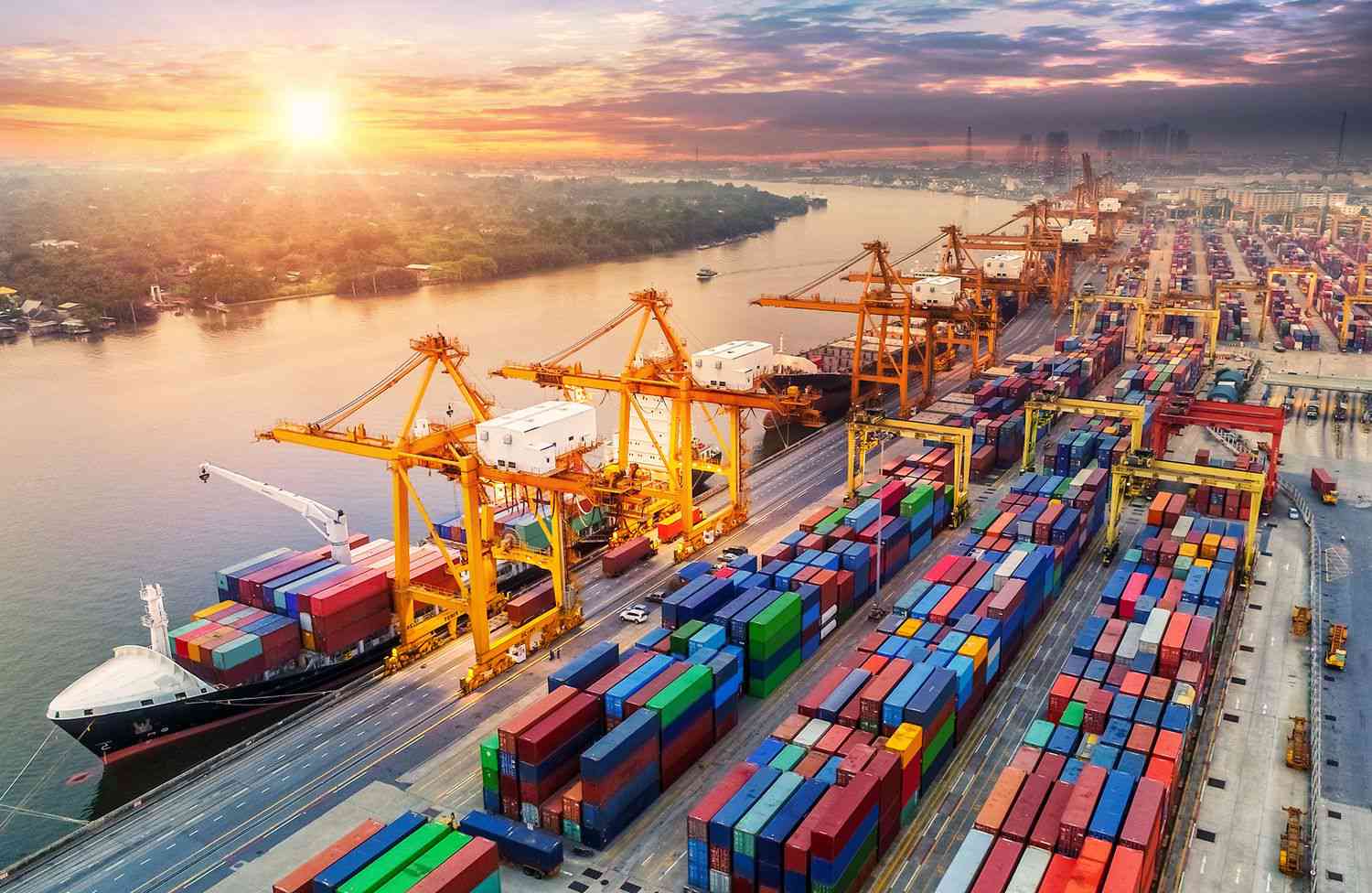
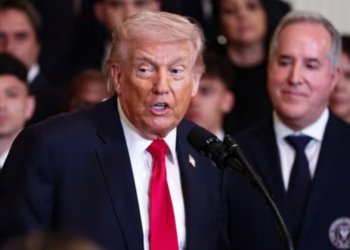
Three months ago, former U.S. President Donald Trump’s sudden tariff announcement triggered a jolt across global markets. But this time, despite a fresh barrage of trade threats, markets are responding with calm indifference. On July 7, Trump revealed letters sent to 14 countries, warning of “reciprocal” tariffs that could take effect by August 1. These include 25% levies on Japanese and South Korean goods, along with additional threats targeting copper and pharmaceutical imports.
Just a day later, Trump intensified the pressure—announcing a 50% tariff on copper and hinting at potential 200% duties on pharmaceutical imports, albeit after a possible 18-month warning period. He didn’t stop there. On July 9, he turned his attention to Brazil, threatening a steep 50% tariff amid growing political disagreements. While the copper market reacted with sharp gains and Brazilian assets took a hit, global equity and bond markets remained surprisingly steady.
The subdued reaction suggests investors may be growing desensitized to Trump’s trade threats. Yet the underlying trade policies are far from harmless. Since Trump’s return to aggressive economic nationalism, tariff rates have been quietly climbing. The average U.S. tariff has surged to around 10%—a stark increase from the 2.5% level just a year ago. If the new threats are implemented, that average could rise to 16–17%, edging closer to the 20% mark that once alarmed economists earlier this year.
Even recent trade agreements with the UK and Vietnam have failed to ease these tensions. Though celebrated as diplomatic wins, the deals still preserve elevated trade barriers that did not exist at the start of the year.
Critically, the White House now views tariff revenue as essential to funding Trump’s ambitious spending plan—his so-called “One Big Beautiful Bill.” This reliance raises concerns about whether economic policy is being driven more by political strategy than sound financial planning.
Despite temporary market calm, the long-term consequences of rising tariffs may prove costly. America cannot indefinitely dodge the ripple effects of a self-made trade storm.






 English
 Gujarati
 Hindi
Hindi Kannada
 Malayalam
 Marathi
 Punjabi
 Tamil
Tamil Telugu