
 India
India

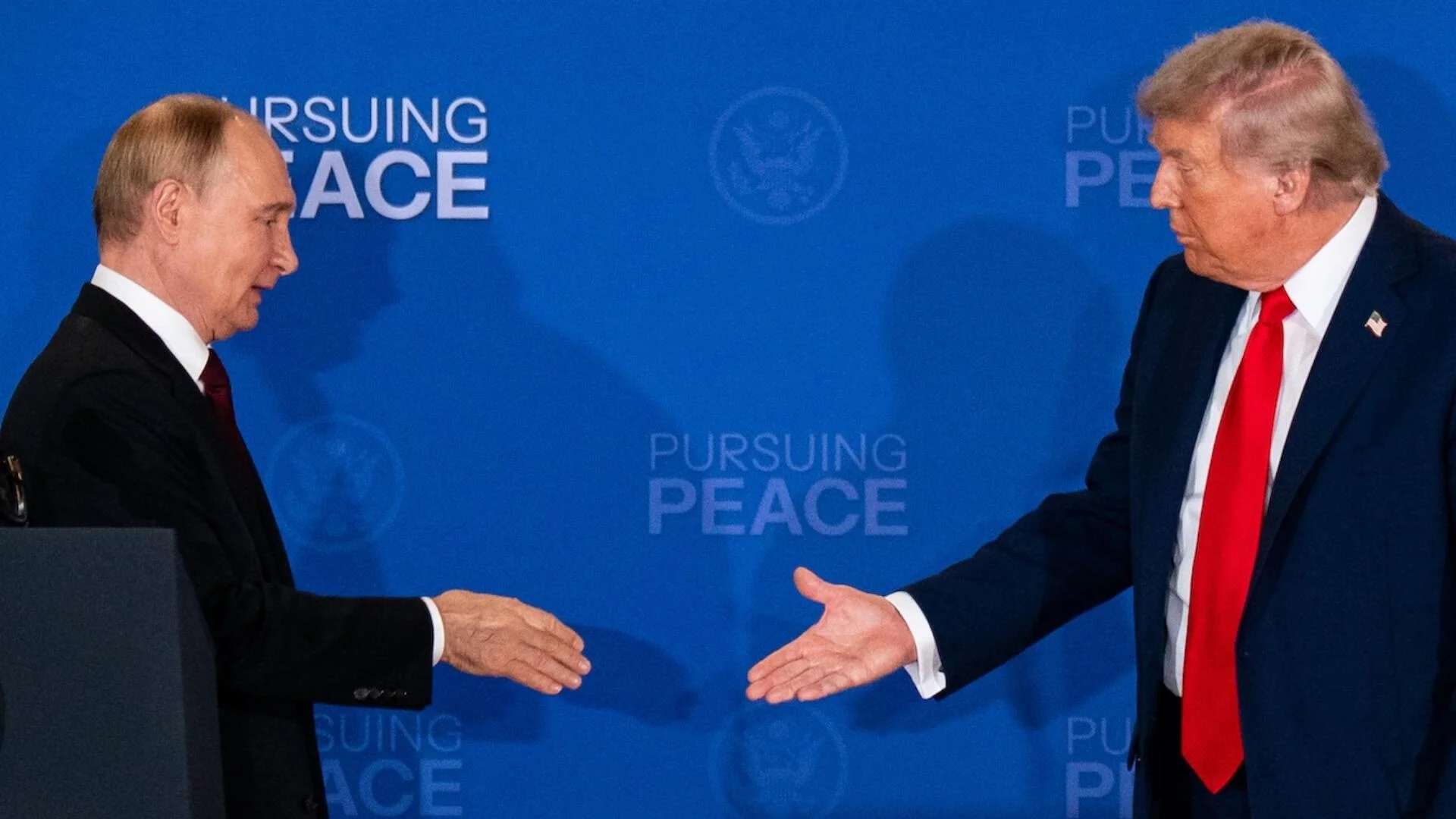

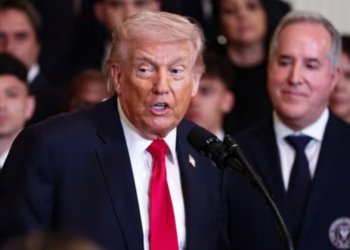
U.S. President Donald Trump on Saturday called on Ukraine to negotiate a deal with Russia to end the ongoing war, stating that “Russia is a very big power, and they’re not,” following his summit with Russian President Vladimir Putin in Alaska. The meeting, lasting just three hours, marked the first U.S.-Russia summit since Moscow launched its full-scale invasion of Ukraine in February 2022.
According to a source familiar with a subsequent briefing with Ukrainian President Volodymyr Zelenskiy, Trump indicated that Putin had proposed freezing most front lines if Kyiv ceded the entirety of Donetsk, a critical industrial region targeted by Russia. Zelenskiy rejected the demand. Russia currently controls roughly a fifth of Ukraine, including about three-quarters of Donetsk province, which it first entered in 2014.
Trump told Zelenskiy that a peace deal should be sought directly, without the prior ceasefire that Ukraine and its European allies, supported by the U.S. until now, had demanded. Zelenskiy is scheduled to meet Trump in Washington on Monday, with European leaders invited to join discussions. Kyiv’s allies welcomed the initiative but stressed their continued backing of Ukraine and the need to tighten sanctions on Russia.
In his public statements on Truth Social, Trump wrote, “It was determined by all that the best way to end the horrific war between Russia and Ukraine is to go directly to a Peace Agreement, which would end the war, and not a mere Ceasefire Agreement, which often times do not hold up.” Analysts say Moscow may welcome this shift, although differences between the sides remain stark.
Zelenskiy has insisted that any territorial concessions require constitutional changes and lasting security guarantees to prevent future invasions. Italian Prime Minister Giorgia Meloni highlighted proposals for collective security measures similar to NATO’s Article 5, ensuring support for Ukraine if attacked again. Putin agreed that Ukraine’s security must be ensured, signaling a willingness to discuss protections without involving foreign ground forces.
While Trump hailed potential progress, European leaders and commentators expressed skepticism. Wolfgang Ischinger, former German ambassador to Washington, described the summit as “1-0 for Putin,” criticizing the lack of new sanctions and tangible outcomes for Ukraine. Fighting continued along the front lines, with both sides conducting air strikes even as diplomatic talks advanced.
Trump concluded his Alaska visit indicating possible future meetings with Putin, leaving the door open for further negotiations while maintaining his stance on peace through direct agreement rather than ceasefire.


 English
 Gujarati
 Hindi
Hindi Kannada
 Malayalam
 Marathi
 Punjabi
 Tamil
Tamil Telugu