 India
India

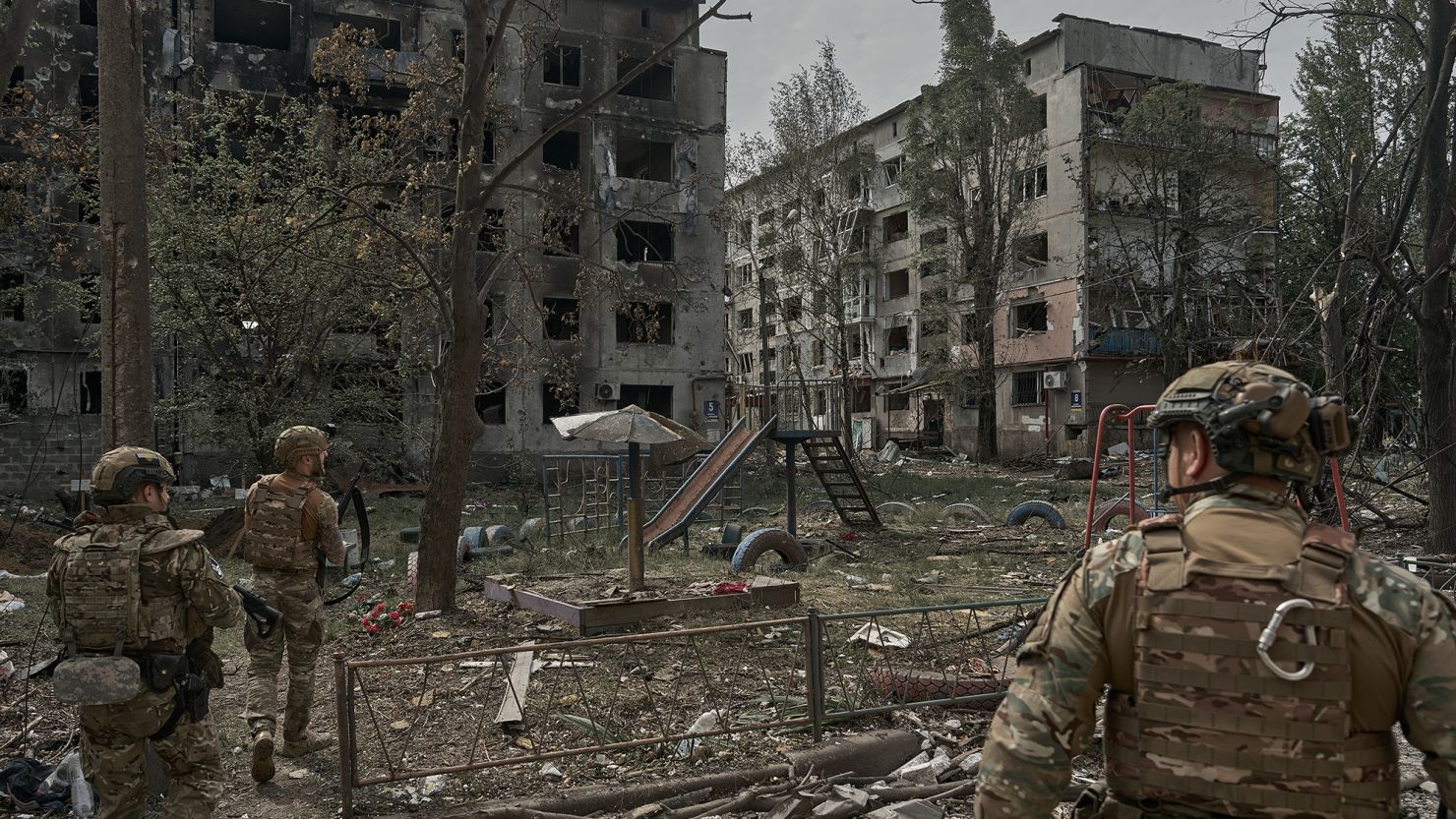
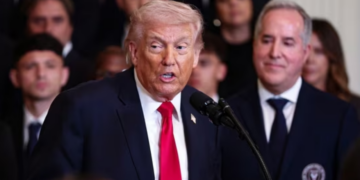
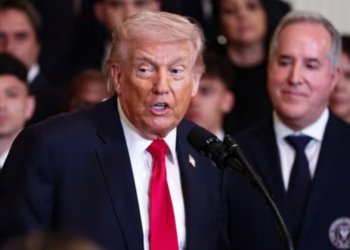
U.S. President Donald Trump has stated that both Kyiv and Moscow will have to cede territory to bring the war in Ukraine to an end. The question now is — how much land does Russia control?
According to open-source battlefield maps, Russia holds around 114,500 square kilometres (44,600 square miles), or roughly 19% of Ukraine. This includes Crimea and major swathes of land in the east and southeast. Ukraine does not occupy any internationally recognised Russian territory.
Moscow claims that Crimea, Donetsk, Luhansk, Zaporizhzhia, and Kherson — all internationally recognised as Ukrainian at the collapse of the Soviet Union — are now part of Russia. Kyiv rejects this, insisting on Ukraine’s 1991 borders, a stance supported by most of the world.
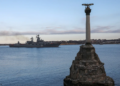
Crimea: Russia seized Crimea in 2014 following a disputed referendum. The peninsula, about 27,000 square km in size, extends into the Black Sea and hosts Russia’s Black Sea Fleet at Sevastopol. While Russia claims it as legally part of its territory, Ukraine maintains it belongs to them, though officials privately acknowledge reclaiming it militarily would be difficult. Historically, Crimea was part of the Russian Empire from the 18th century until it was transferred to Ukraine in 1954.
Donbas: Russia controls about 46,570 square km of the Donbas region, including all of Luhansk and 75% of Donetsk. The remaining 6,600 square km remains under Ukrainian control. Pro-Russian separatists declared independence in these areas in 2014, and President Vladimir Putin recognised them just before the 2022 invasion.
Zaporizhzhia and Kherson: In the southeast, Russia holds about 74% of these regions — roughly 41,176 square km — while Ukraine controls about 14,500 square km. Putin has previously stated he would agree to peace if Ukraine withdrew from the Russian-claimed areas it does not fully control, renounced NATO membership, and accepted Moscow’s territorial gains.
Putin’s broader conditions for peace include NATO’s non-expansion, Ukrainian neutrality, limits on its armed forces, protection for Russian speakers, and recognition of Russian sovereignty over occupied areas.

 English
 Gujarati
 Hindi
Hindi Kannada
 Malayalam
 Marathi
 Punjabi
 Tamil
Tamil Telugu