


 India
India

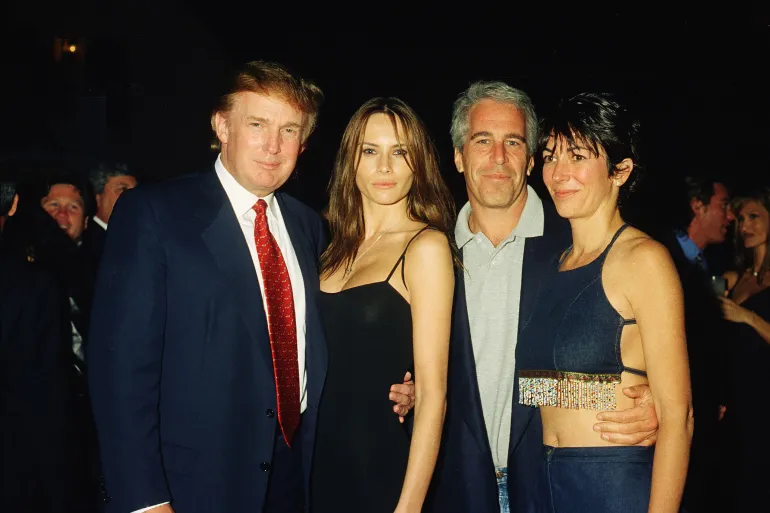
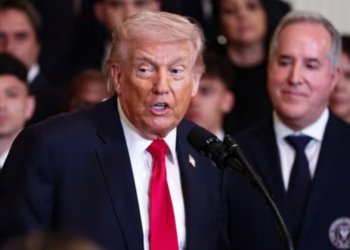
The release of over 20,000 pages of Jeffrey Epstein’s emails and messages has thrust the complicated and controversial connection between the late financier and former President Donald Trump back into the spotlight. The documents, turned over to Congress by Epstein’s estate following a subpoena, include communications spanning years, revealing repeated disparaging remarks by Epstein about Trump and suggestions of potentially damaging information he claimed to hold.
The emails date back to at least 2011, a period when Epstein was attempting to rehabilitate his public image after his conviction. In one message to Ghislaine Maxwell, his longtime associate, Epstein referred to Trump as “the dog that hasn’t barked,” noting that Virginia Roberts Giuffre, one of Epstein’s victims, had spent “hours at my house” with Trump.
During Trump’s 2015 presidential campaign, Epstein contacted New York Times reporter Landon Thomas Jr., asking if he wanted “photos of Donald and girls in bikinis in my kitchen.” While it remains unclear whether such photos existed, Epstein never provided any evidence. In another message, he described Trump as being so engrossed in watching young women in a swimming pool that he accidentally “bumped into a door, leaving his nose print on the glass.”
Epstein’s characterization of Trump extended into 2018, when he sent emails to journalist Michael Wolff calling the former president “dopey Donald” and “demented Donald,” while asserting that Trump’s finances were “all a sham.” That same year, Epstein wrote to former Treasury Secretary Lawrence H. Summers, describing Trump as “borderline insane.” In December, as Epstein faced increasing legal pressure, he texted that authorities were “trying to take down Trump,” adding, “because I am the one able to take him down.”
Additional messages suggest Epstein’s knowledge of events at Mar-a-Lago. In an email to Wolff, Epstein claimed Trump had requested his resignation and appeared aware of interactions involving young women at Epstein’s properties, allegedly instructing Maxwell to intervene. Epstein also told Kathryn Ruemmler, former White House counsel, “I know how dirty Donald is,” highlighting his long-standing critical perspective.
In exchanges with Wolff regarding a CNN inquiry into Trump’s ties with Epstein, the financier discussed the potential for political leverage, indicating a nuanced understanding of media optics and Trump’s public persona. These emails, now public, provide a rare glimpse into a fraught and complex relationship between a sitting president and a convicted sex offender, reigniting questions about influence, knowledge, and accountability.




 English
 Gujarati
 Hindi
Hindi Kannada
 Malayalam
 Marathi
 Punjabi
 Tamil
Tamil Telugu