




 India
India

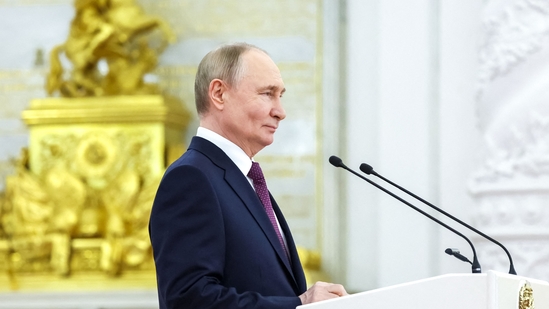
Russian President Vladimir Putin has officially signed a law authorizing the creation of a state-backed messaging application, marking a significant move in Moscow’s ongoing campaign to achieve “digital sovereignty.” The new platform will be directly integrated with government services and is intended to reduce the nation’s reliance on foreign messaging apps like WhatsApp and Telegram.
This development comes at a time when Russia continues to prioritize domestic alternatives to Western technologies, especially in the wake of the mass exodus of foreign firms following Russia’s invasion of Ukraine in February 2022. The legislation reflects Moscow’s increasing urgency to control digital infrastructure and communications within its borders.
Russian lawmakers claim that the new government-backed messenger will offer unique functionalities unavailable on existing platforms like Telegram or Meta’s WhatsApp. However, the specifics of these features have not yet been disclosed.
Despite government assurances, digital rights activists and privacy advocates are raising red flags. Critics argue that the app—being under full state control—could become a surveillance tool, potentially infringing on users’ privacy and freedom of expression. Mikhail Klimarev, director of the Internet Protection Society, a Russian digital rights organization, voiced concerns earlier this month, warning that the government might intentionally throttle the speed of WhatsApp and Telegram to force users to migrate to the new app.
“Digital sovereignty” has become a key pillar of Russia’s tech policy. Over recent years, the Kremlin has ramped up support for domestic alternatives in everything from operating systems and cloud services to social media platforms. The messaging app law is the latest step in that direction.
The rollout date for the new app remains undisclosed, but experts expect swift implementation, especially as the government gears up to promote and possibly mandate its use across public institutions and services.
As Russia pushes for technological independence, global observers remain wary of the potential implications for digital freedom and transparency within the country.





 English
 Gujarati
 Hindi
Hindi Kannada
 Malayalam
 Marathi
 Punjabi
 Tamil
Tamil Telugu