





 India
India

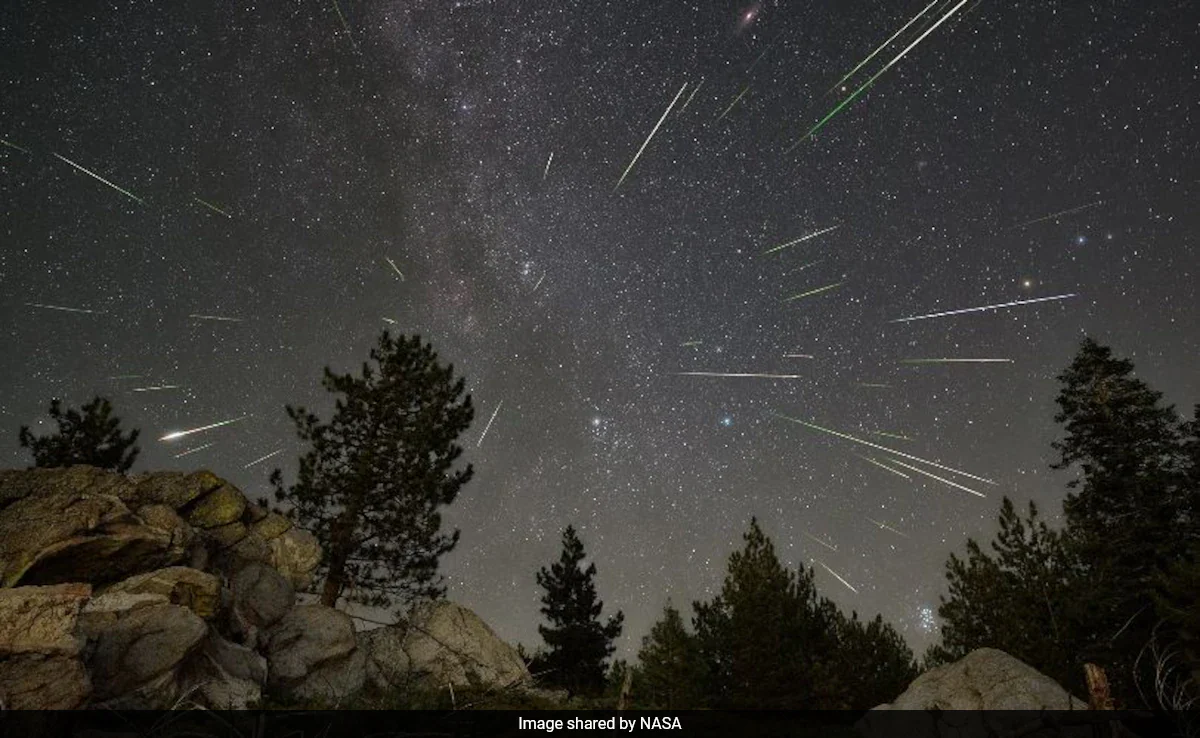

Skywatchers, get ready! The 2025 meteor shower season begins tonight with one of the most beloved annual sky events—the Perseid meteor shower. Known for its dazzling fireballs and high meteor count, the Perseids are active this year from July 17 to August 23, with the peak expected on the nights of August 12 and 13, according to the American Meteor Society (AMS).
However, stargazers should prepare for a bit of a challenge. This year, the Perseids coincide with a waning gibbous moon, just three days after the Sturgeon Full Moon on August 9. This means the sky will be brighter than ideal, potentially washing out some of the fainter meteors. Despite the lunar interference, the AMS still estimates viewers may see 50 to 75 meteors per hour during the peak.
To enhance your viewing experience:
Choose a dark, rural location far from city lights.
Allow your eyes 20–30 minutes to adjust to the darkness.
No equipment is necessary—just look up and be patient.
The meteors will appear to radiate from the constellation Perseus, which rises in the northeastern sky. But meteors can streak across any part of the sky, so a wide, unobstructed view is ideal.
Other Meteor Showers to Watch in July and August
If the moonlight hampers your view of the Perseids, you’re in luck—two other showers will also light up the summer sky:
Alpha Capricornids
Active: July 12 – August 12
Peak: Night of July 29–30
Known for: Bright, slow-moving fireballs visible from both hemispheres.
Meteor rate: Low, but dramatic flashes.
Southern Delta Aquariids
Active: July 18 – August 12
Peak: Also on the night of July 29–30
Known for: A steady stream of 10 to 20 meteors per hour, especially in darker skies.
Best viewed: In areas free from light pollution; visible in both hemispheres.
You don’t need fancy telescopes or binoculars—just your eyes, a reclining chair, and a clear sky. Avoid phone screens or bright lights before viewing to preserve your night vision. And remember, the darker the location, the better the show.
So, whether you’re catching the Perseids at their peak or soaking in the summer skies during the Alpha Capricornids and Southern Delta Aquariids, July and August 2025 promise a stellar season for sky lovers.






 English
 Gujarati
 Hindi
Hindi Kannada
 Malayalam
 Marathi
 Punjabi
 Tamil
Tamil Telugu