



 India
India

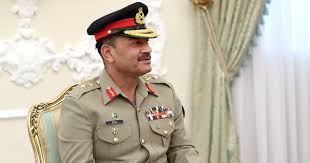
Pakistan has sharply rejected criticism from the United Nations over its controversial 27th constitutional amendment, a sweeping set of changes that significantly expands the powers and protections of Field Marshal Asim Munir and top military officials. The UN high commissioner for human rights, Volker Turk, warned that the amendment, rushed through Parliament without adequate consultation, risked undermining judicial independence and weakening civilian oversight over the armed forces.
In a strongly worded response issued on Sunday, Islamabad dismissed the UN’s concerns as “ungrounded and misplaced apprehensions.” Pakistan’s foreign office insisted that constitutional amendments were solely the prerogative of elected representatives and aligned with democratic norms. Officials argued that the legislative process had followed parliamentary tradition, countering Turk’s claims that the move lacked transparency or public debate.
Turk had earlier compared the latest amendment to the controversial 26th amendment passed last year, saying both were enacted hastily and without engagement from legal experts or civil society groups. His office warned that shielding senior officials from legal scrutiny for life and concentrating power in military leadership structures could erode the country’s institutional checks and balances.
At the heart of the 27th amendment lies a dramatic restructuring of Pakistan’s defence hierarchy. The bill proposes removing the longstanding post of Chairman, Joint Chiefs of Staff Committee and introducing a new position—Chief of Defence Forces—designed to centralise command authority. The amendment also opens the door to lifetime military ranks such as field marshal, marshal of the air force, and admiral of the fleet. Asim Munir’s recent elevation to field marshal, the second such promotion in Pakistan’s history, is seen as a precursor to this institutional overhaul.
Beyond military restructuring, the amendment seeks wide-ranging changes, including the creation of a federal constitutional court, revisions to the process of appointing high court judges, and new guidelines for provincial cabinet formation. A significant shift in the appointment process gives the Prime Minister decisive influence over naming the army chief and chief of defence forces, while the army chief gains a strengthened role in selecting the head of the national strategic command.
Local media reports suggest that the amendment reflects lessons drawn from Pakistan’s brief four-day conflict with India in May. Defence officials reportedly believe that the skirmish exposed gaps in coordination under the existing command structure, prompting calls for a more integrated military model suited to modern warfare.
Critics, however, fear that the amendment represents another step toward entrenching military dominance in a country where the armed forces have ruled directly for nearly half of its post-independence history. Opposition lawmakers have accused the government of “sounding the death knell for the Supreme Court,” warning that the judiciary’s independence could be compromised under the new framework.

As Pakistan presses ahead with reshaping its constitutional landscape, the debate over military influence, democratic governance, and institutional autonomy is set to intensify—both at home and on the global stage.




 English
 Gujarati
 Hindi
Hindi Kannada
 Malayalam
 Marathi
 Punjabi
 Tamil
Tamil Telugu