





 India
India

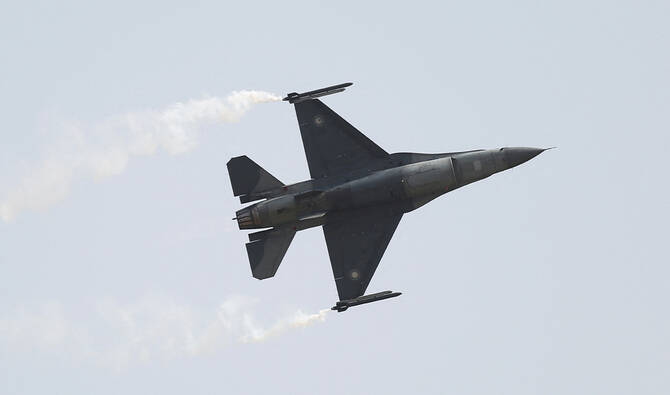
Pakistan is poised to acquire advanced AIM-120C8 and D3 variants of the Advanced Medium-Range Air-to-Air Missiles (AMRAAM) from the United States, in what analysts see as a significant development for the country’s air force capabilities.
According to an official notification from the US Department of War (DoW)—the agency formerly known as the Department of Defense—the contract was awarded to Raytheon, headquartered in Tucson, Arizona. The deal is valued at over $2.5 billion, with work scheduled to be completed by May 30, 2030.
The AIM-120C8 missile, which Pakistan is expected to receive, is the export variant of the AIM-120D, the most advanced version currently in service with the US military. The DoW’s document lists Pakistan among 35 countries—including the United Kingdom, Germany, Australia, Japan, Saudi Arabia, Taiwan, and Turkey—that will benefit from the missile sales under this massive contract.
While the total order has been confirmed, it remains unclear exactly how many missiles will be delivered to Pakistan.
The news comes on the heels of Pakistan Prime Minister Shehbaz Sharif and Chief of Army Staff Field Marshal Asim Munir’s meeting with US President Donald Trump at the White House last month. During the visit, Trump again claimed to have played a role in defusing the most recent military conflict between India and Pakistan, sparking debate in South Asia over Washington’s evolving stance.
Defense experts suggest that the AMRAAM deal could be linked to potential upgrades for Pakistan’s fleet of F-16 fighter jets, which remain the only aircraft in the Pakistan Air Force compatible with these advanced missiles. The AMRAAM was notably deployed during the aerial skirmishes with India in February 2019, giving Islamabad a technological edge at the time.
The development also follows Air Chief Marshal Zaheer Ahmed Babar’s high-level visit to the US State Department in July, signaling growing military-to-military engagement between the two countries.

Raytheon describes the AIM-120 as a versatile missile capable of engaging targets in contested environments with precision. Beyond its air-to-air role, the AMRAAM can also be deployed through the NASAMS ground-based air defense system, currently used by several NATO and partner countries.
With this latest contract, Pakistan’s air defense modernization is likely to receive a boost, even as the deal reignites debates in New Delhi about the balance of power in the region.






 English
 Gujarati
 Hindi
Hindi Kannada
 Malayalam
 Marathi
 Punjabi
 Tamil
Tamil Telugu