 India
India

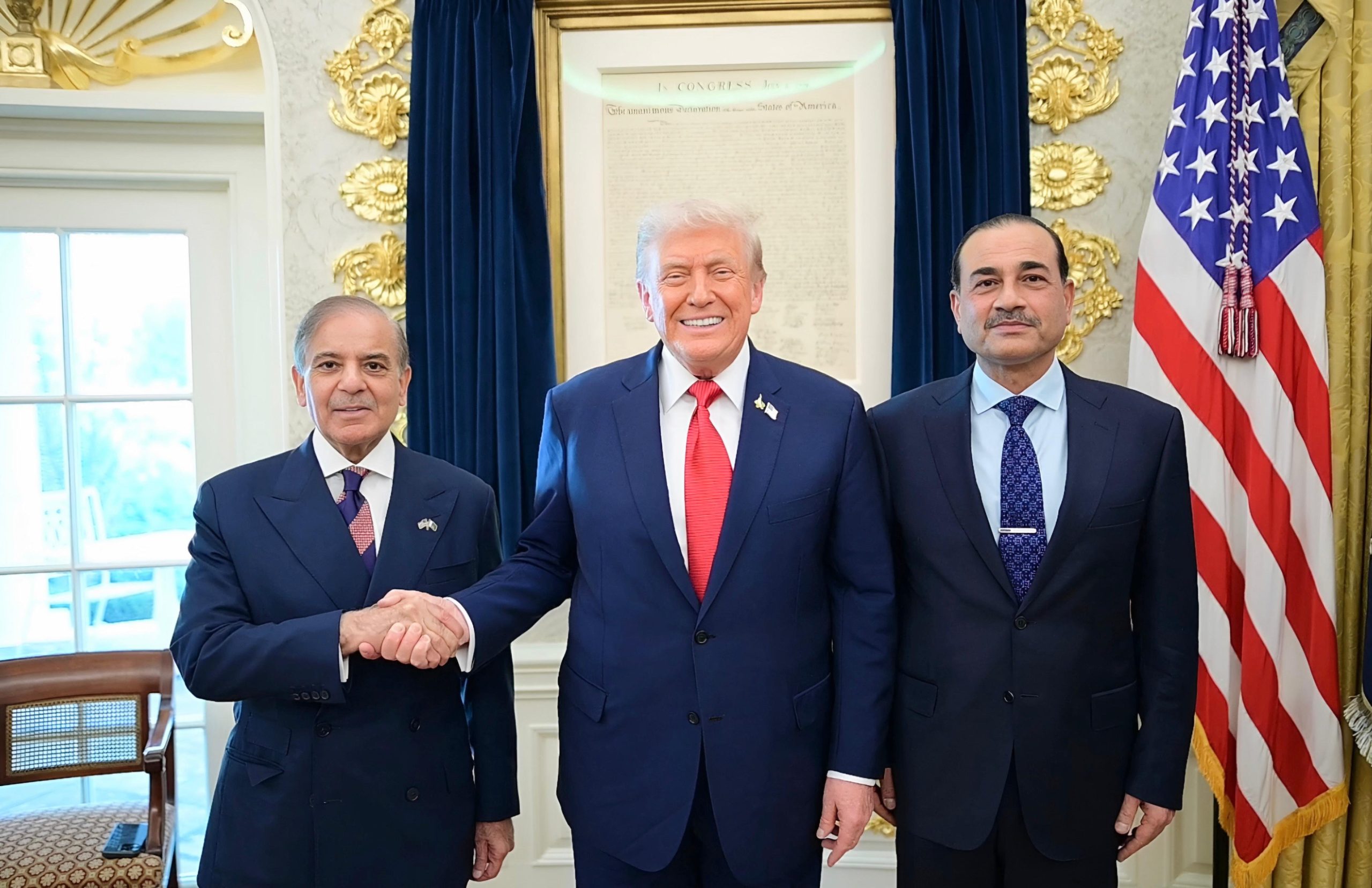
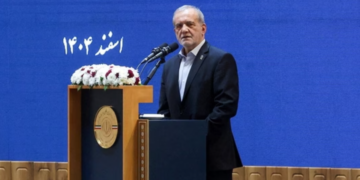
Pakistan Prime Minister Shehbaz Sharif is facing intense political backlash at home after signing the charter of US President Donald Trump’s proposed ‘Board of Peace’ for Gaza during the World Economic Forum in Davos. While Sharif projected the move as a major diplomatic step, opposition parties and civil society groups in Pakistan have sharply criticised the decision, calling it non-transparent, morally questionable and politically reckless.
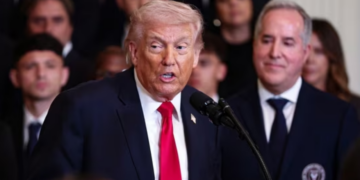
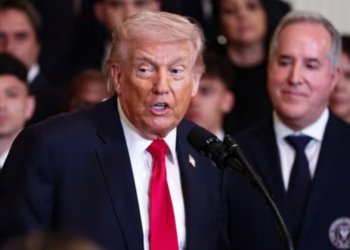
The ‘Board of Peace’ was formally unveiled by Trump as part of the second phase of his 20-point plan aimed at ending the Gaza conflict. According to reports, the board is intended to function as a new international mechanism not only for Gaza’s governance, reconstruction and investment mobilisation, but potentially for resolving global conflicts more broadly. This has triggered concerns among many countries that the initiative could undermine or bypass the United Nations’ multilateral framework.
Sharif’s participation has particularly angered the Pakistan Tehreek-e-Insaf (PTI), the party led by jailed former prime minister Imran Khan. PTI rejected the government’s decision outright, arguing that joining such a body without parliamentary debate or broader political consultation violates democratic norms. The party has demanded that Pakistan withdraw its formal participation until a full consultative process is conducted, including scrutiny by parliament and the involvement of Imran Khan. PTI has even called for a national referendum on the issue.
Opposition leaders stressed that while Pakistan stands firmly with the Palestinian cause, it cannot support initiatives that go against the wishes of the people of Gaza or create parallel global structures that weaken the UN system. Adding to the pressure, Senate opposition leader and Majlis Wahdat-e-Muslimeen chief Allama Raja Nasir Abbas condemned the move as “morally incorrect and indefensible,” especially as Trump used the Davos platform to issue ultimatums to Hamas, warning of “elimination” if the group does not disarm.
The ‘Board of Peace’ itself has raised serious questions internationally. Although around 60 countries, including India and China, were invited, fewer than 20 participated in the Davos launch. Reports also suggest that permanent membership on the board carries a staggering $1 billion price tag.
Despite Washington’s push to project the board as a new global peace framework, the limited participation and growing criticism suggest Sharif’s Davos decision may carry significant political costs at home.


 English
 Gujarati
 Hindi
Hindi Kannada
 Malayalam
 Marathi
 Punjabi
 Tamil
Tamil Telugu