

 India
India

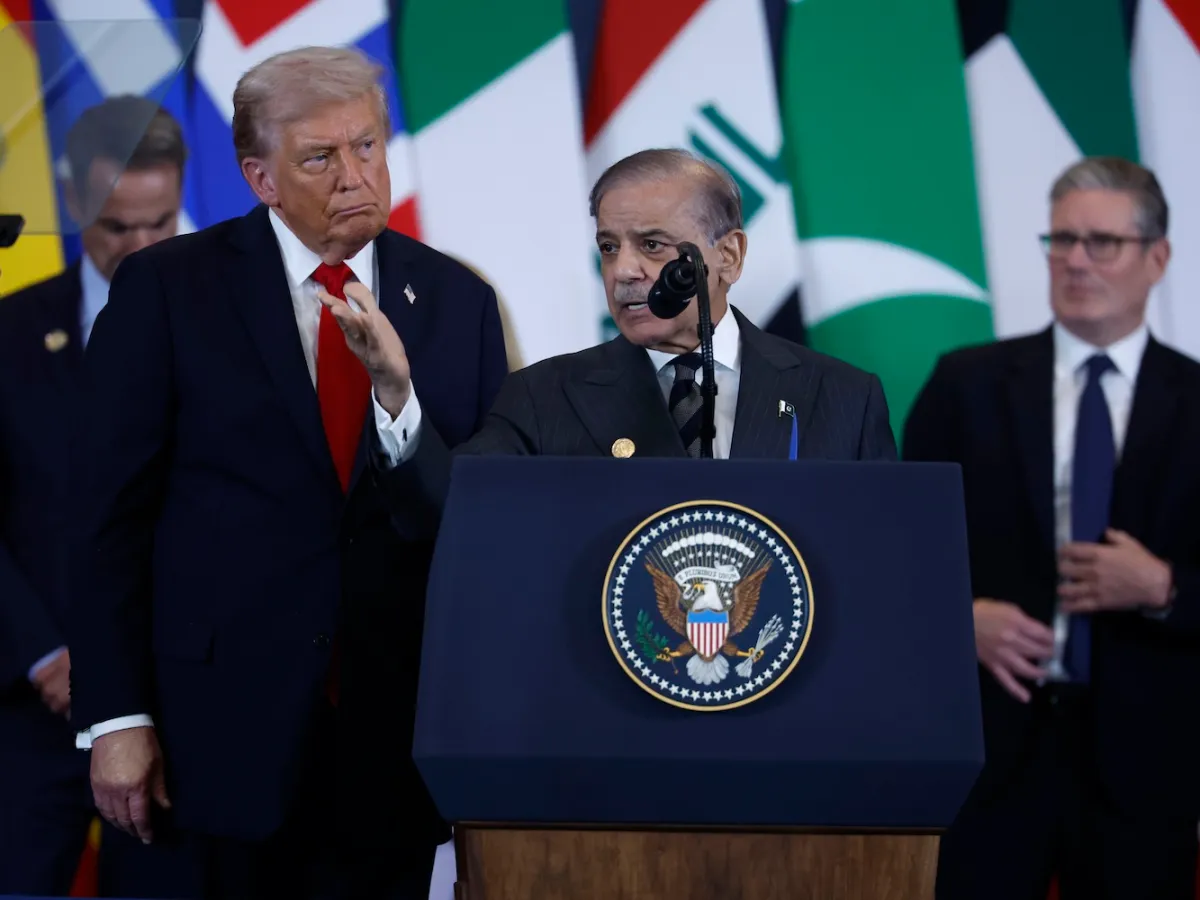
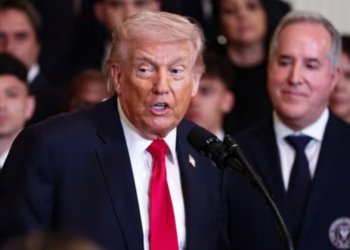
Pakistan Prime Minister Shehbaz Sharif’s decision to sign on to US President Donald Trump’s newly unveiled ‘Board of Peace’ has triggered a twin crisis for Islamabad — sharp criticism within Pakistan and outright rejection from Israel, which has publicly ruled out any Pakistani role in Gaza’s post-war transition or peacekeeping arrangements.
Sharif was among leaders from fewer than 20 countries who formally endorsed Trump’s ambitious peace framework at the World Economic Forum in Davos, despite invitations reportedly being extended to nearly 60 nations, including India and China. Israel, which also joined the initiative, has now made it clear that Pakistan will have no place in any security or governance mechanism linked to Gaza.
Israel’s Economy Minister Nir Barkat, speaking to NDTV on the sidelines of Davos, delivered a blunt message. “Any country that supported terror is not welcome — and that includes Pakistan,” he said, categorically dismissing Islamabad’s involvement. Barkat accused Pakistan of backing jihadist groups operating in Gaza and said Israel would not trust such countries with “boots on the ground.”
“We will not accept the Qataris, the Turks, or Pakistan in Gaza,” Barkat added, reinforcing Israel’s position that only countries it deems neutral and trustworthy could play a role in stabilising the enclave.
The remarks came even as Barkat praised Trump’s broader Gaza framework, calling it superior to the United Nations, which he accused of systemic bias against Israel. The Board of Peace, according to reports, is intended not only to oversee Gaza’s transition but also to act as a new global conflict-resolution platform — a move many see as an attempt to sideline the UN system.
Back home, Sharif’s decision has sparked intense political backlash. Opposition parties, led by the Pakistan Tehreek-e-Insaf (PTI) of jailed former prime minister Imran Khan, accused the government of undermining Pakistan’s long-standing support for Palestinian self-determination. PTI demanded a national referendum, arguing that participation in any international peace initiative must reinforce — not replace — the UN’s multilateral framework.
Religious and political leaders also joined the criticism. Allama Raja Nasir Abbas, leader of the Majlis Wahdat-e-Muslimeen and opposition leader in Pakistan’s Senate, described the move as “morally incorrect and indefensible,” warning that it damages Pakistan’s credibility in the Muslim world.

Reports indicate that permanent membership of Trump’s Board of Peace carries a price tag of up to $1 billion, further fuelling controversy in Pakistan amid economic stress. While countries such as Saudi Arabia, the UAE, Qatar, Turkey, and Egypt have signed on, India — though invited — has so far refrained from responding.
With Israel effectively sidelining Pakistan from any Gaza-related role and domestic opposition mounting, Sharif’s Davos gamble appears to have deepened Pakistan’s diplomatic and political fault lines rather than bridged them.


 English
 Gujarati
 Hindi
Hindi Kannada
 Malayalam
 Marathi
 Punjabi
 Tamil
Tamil Telugu