
 India
India

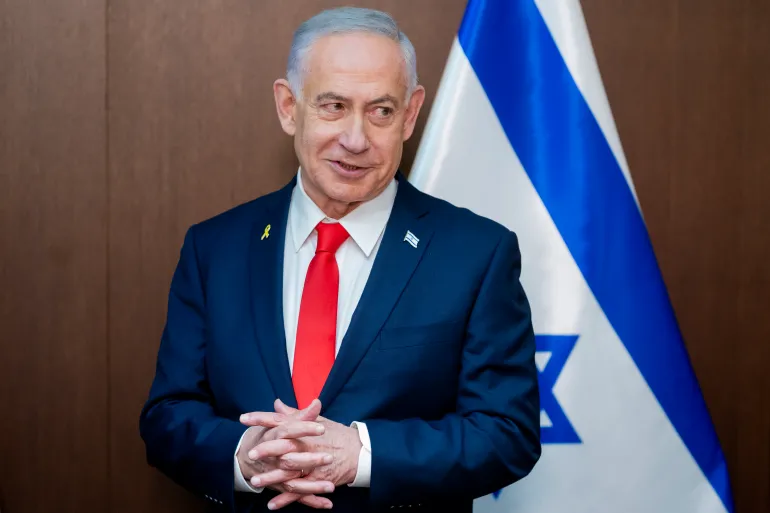
Israel’s decision to formally recognise Somaliland as an independent and sovereign state has triggered sharp global reactions, underlining how sensitive the issue of statehood remains in one of the world’s most strategically vital regions. Israeli Prime Minister Benjamin Netanyahu became the first world leader to take this step, acknowledging Somaliland’s long-standing claim to independence more than three decades after it unilaterally broke away from Somalia in 1991.
Somaliland, located in northwestern Somalia along the Gulf of Aden and bordering Djibouti, has functioned as a de facto state for years. It has its own elected government, currency, army, police force and administrative institutions. Despite maintaining relative stability in a volatile region, it has never secured formal international recognition, leaving it politically isolated and economically constrained.
Announcing the move, Netanyahu said he had congratulated Somaliland President Dr Abdirahman Mohamed Abdallah and praised his leadership in promoting stability and peace. He also invited the Somaliland leader to visit Israel officially, signalling Tel Aviv’s intent to deepen diplomatic ties. Celebrations broke out in parts of Somaliland following the announcement, with residents seeing Israel’s recognition as a breakthrough moment in their long quest for legitimacy.
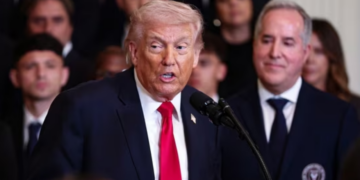
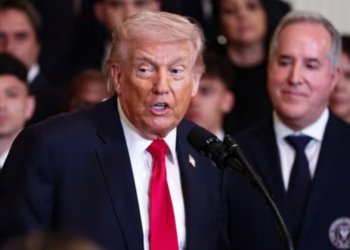
However, Israel’s closest ally, the United States, was notably unconvinced. President Donald Trump reacted coolly when asked if Washington would follow Israel’s lead. Speaking to the New York Post, Trump bluntly responded, “Just say, no,” before questioning how well the territory was even understood globally. While he said the issue would be “studied,” his remarks suggested little immediate appetite for backing Netanyahu’s push, despite Somaliland reportedly offering port access along the Gulf of Aden — a crucial maritime corridor linking the Indian Ocean to the Suez Canal.
The backlash has been strongest in Africa and the Middle East. The African Union rejected Israel’s recognition outright, warning that it could set a “dangerous precedent” and undermine peace and stability across the continent. AU chair Mahamoud Ali Youssouf reiterated that Somaliland remains an “integral part” of Somalia, whose territorial integrity the bloc continues to support.
Somalia itself condemned the move, as did Turkey, a key ally of Mogadishu, which described Israel’s action as overt interference in Somalia’s domestic affairs. The Palestinian Authority also criticised the decision, recalling earlier Israeli discussions that reportedly described Somaliland as a potential destination for the forced displacement of Palestinians from Gaza.
Analysts say Israel’s recognition is likely driven by strategic calculations, including expanding its network of partners under the Abraham Accords framework and gaining influence near one of the world’s busiest shipping lanes. For Somaliland, recognition by Israel offers hope of attracting investment, aid and diplomatic momentum after decades of isolation.

Yet for many nations, particularly in Africa, the risks of encouraging secessionist movements outweigh Somaliland’s claims. As Netanyahu presses ahead and Trump remains sceptical, Somaliland’s status has once again become a flashpoint — highlighting the tension between geopolitical ambition, regional stability and the unresolved question of who gets to be recognised as a state.


 English
 Gujarati
 Hindi
Hindi Kannada
 Malayalam
 Marathi
 Punjabi
 Tamil
Tamil Telugu