 India
India

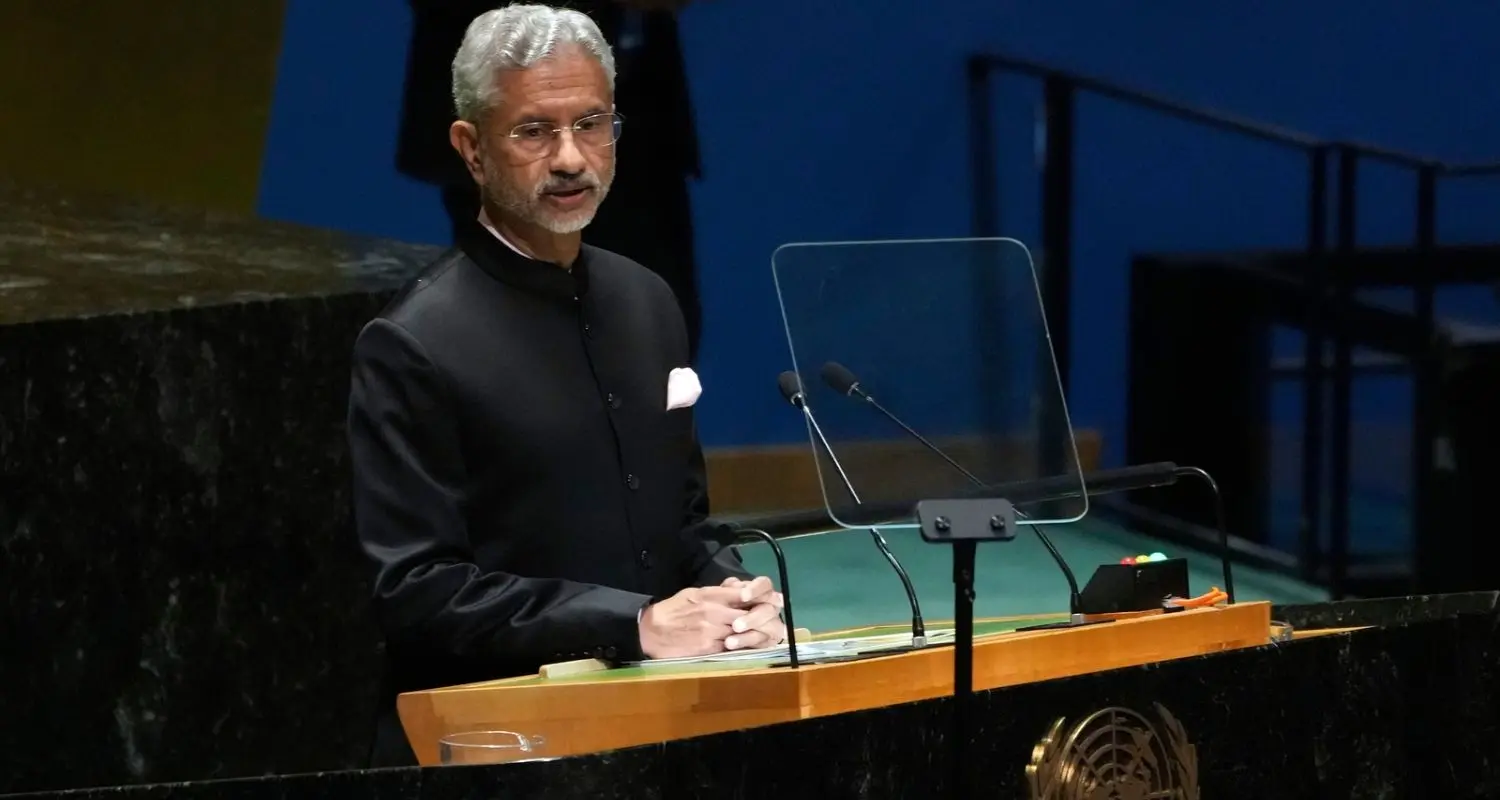
India’s External Affairs Minister, S. Jaishankar, has underscored the accelerating shift toward a multipolar world order, highlighting the need for countries to develop national capabilities and diversify global partnerships. Speaking at an event organized by the Observer Research Foundation (ORF), Jaishankar said, “Globalisation will not stop. Doing business with each other will not stop. But it is just that different lines of different intensity and different values will now get re-engineered. And it is that process of re-engineering that we are going through now.”
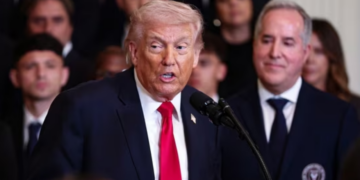
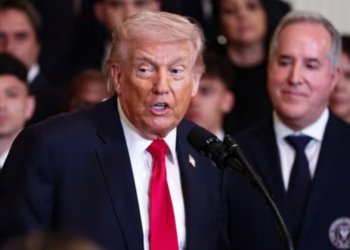
Jaishankar pointed to the rapid changes in global politics during the second term of former US President Donald Trump, describing them as unpredictable and destabilizing. He noted that such volatility has made nations more cautious about their dependencies, including overreliance on markets and suppliers. “Now, we also have to protect ourselves against the uncertainty of market access. You worry about overdependence on markets just as you worried about overdependence on suppliers and connectivity. Almost the entire economic chain has become far riskier,” he explained.
Despite these challenges, the minister expressed optimism about trade and global partnerships. He emphasized that modern trade has become far easier and predicted that emerging trading arrangements and collaborations will thrive. Jaishankar also highlighted the growth of a global workforce in the coming years, which he said will continue to expand regardless of differing geographic locations.
During his visit to New York, Jaishankar engaged extensively at the United Nations. He met with UN Secretary-General Antonio Guterres and President of the UN General Assembly Annalena Baerbock. He also held discussions with Algeria’s Foreign Minister Ahmed Attaf and Saudi Arabia’s Faisal bin Farhan on the situation in West Asia. In his national address at the UNGA, Jaishankar reaffirmed India’s support for diplomatic initiatives aimed at resolving the Gaza conflict.
Additionally, Jaishankar focused on strengthening India’s partnerships with Europe, Latin America, and the developing world. He participated in multilateral meetings of BRICS and G20, as well as engagements with SICA (Central America), CELAC (Latin America and Caribbean), and FIPIC (Pacific Island nations). These efforts, he emphasized, are crucial for India to navigate the uncertainties of a multipolar world while safeguarding national interests and expanding global influence.


 English
 Gujarati
 Hindi
Hindi Kannada
 Malayalam
 Marathi
 Punjabi
 Tamil
Tamil Telugu