

 India
India

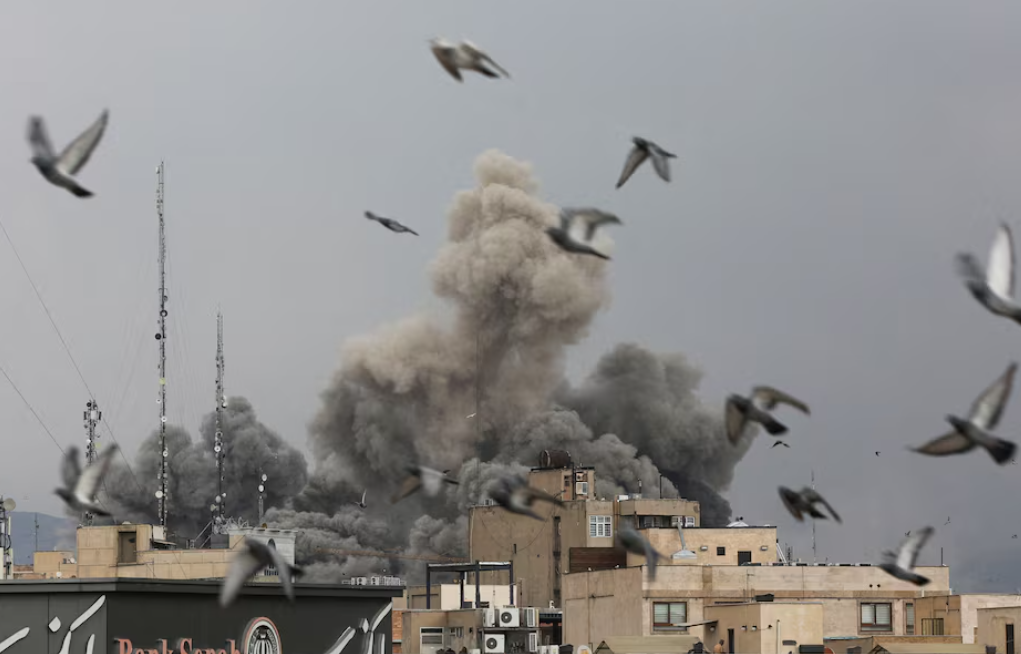
Tensions in West Asia continued to intensify on Tuesday as Iran ruled out negotiations with the United States and vowed to continue its attacks, even as Israeli airstrikes targeted locations in Tehran and Lebanon and global oil markets remained on edge. The rapidly escalating conflict has expanded beyond Israel and Iran, with several Gulf countries facing drone and missile threats, raising fears of a wider regional war.
Iran’s Foreign Minister Abbas Araghchi said Tehran was prepared for a prolonged confrontation and confirmed that diplomatic talks with Washington were “no longer on the agenda.” Speaking to US broadcaster PBS News, Araghchi said Iran would continue launching missile and drone attacks for as long as necessary in response to US and Israeli strikes.
The latest developments come as Iran’s Revolutionary Guards (IRGC) warned they would “determine the end of the war.” The powerful military force also threatened to halt oil shipments from the Gulf if attacks on Iran continue, saying the country would not allow “one litre of oil” to be exported from the region if the conflict escalates further.
Iran launched fresh drone attacks toward Saudi Arabia and Kuwait early Tuesday. Saudi Arabia’s defence ministry said its air defence systems intercepted and destroyed two drones over the kingdom’s oil-rich eastern region. In Kuwait, the National Guard confirmed that six drones targeting northern and southern areas of the country had been shot down.
The expanding attacks have already rattled energy markets. Several Gulf oil producers have begun reducing output amid the growing uncertainty. The United Arab Emirates reportedly cut oil production by between 500,000 and 800,000 barrels per day, while Kuwait reduced output by about 500,000 barrels daily. Iraq’s output decline was even steeper, with roughly 2.9 million barrels per day affected, according to reports.
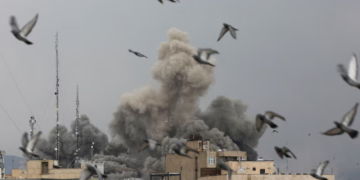
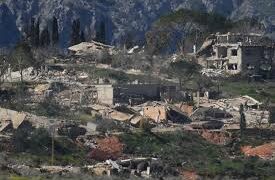
Meanwhile, Israel intensified its military campaign against Iranian targets. Israeli fighter jets carried out what the military described as a wave of “broad strikes” on what it called terror-related sites in Tehran. Witnesses reported powerful explosions in the Iranian capital as aircraft were heard flying overhead. Earlier strikes were also reported in Lebanon, particularly in areas linked to Hezbollah.
The conflict has also led to attacks on energy infrastructure across the Gulf. Bahrain confirmed that a petroleum facility in the Al Ma’ameer industrial area was struck, triggering a fire and forcing the state-owned oil company Bapco to declare force majeure. The incident has further heightened fears of disruptions to global oil supplies.
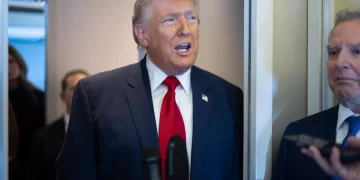
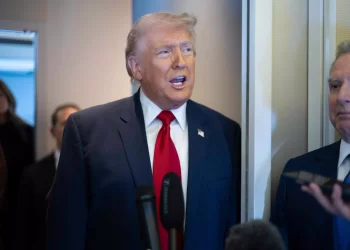
US President Donald Trump has offered mixed signals about the duration of the conflict. While warning of severe retaliation if Iran blocks oil shipments through the strategic Strait of Hormuz, Trump also predicted that the war could end “very soon.” In a post on Truth Social, he warned that Iran would face consequences “twenty times harder” if it interferes with oil flows in the region.
Trump also indicated that the US Navy could be deployed to escort oil tankers through the Strait of Hormuz to ensure shipping lanes remain open. The narrow waterway handles nearly a fifth of the world’s oil supply, making it a critical chokepoint for global energy markets.
At the same time, Trump confirmed that he held a phone call with Russian President Vladimir Putin, during which the two leaders discussed the possibility of a “quick settlement” to the conflict. Russia has already pledged strong political support to Iran’s new supreme leader, Ayatollah Mojtaba Khamenei.
With Iran signalling readiness for a prolonged war, Israel intensifying its strikes and oil supply disruptions spreading across the Gulf, analysts warn that the conflict could trigger a major geopolitical and economic shock if it continues to escalate.


 English
 Gujarati
 Hindi
Hindi Kannada
 Malayalam
 Marathi
 Punjabi
 Tamil
Tamil Telugu