
 India
India

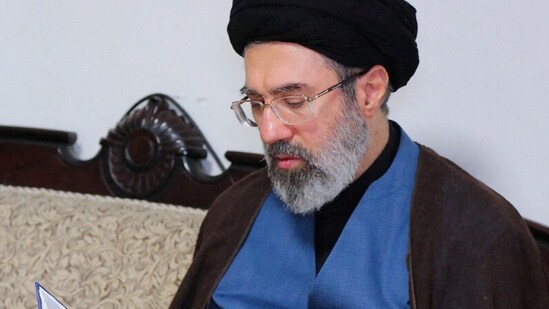
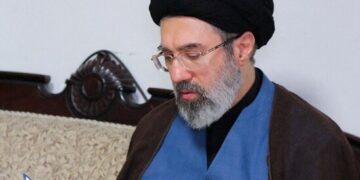
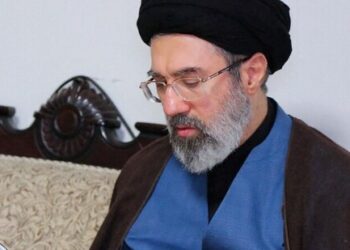
Iran’s Foreign Minister Abbas Araqchi has dismissed speculation about the health and condition of the country’s newly installed Supreme Leader Mojtaba Khamenei, insisting that there is “no problem” with him. The statement came after a senior United States official claimed that the Iranian leader had been wounded and possibly disfigured.
Speaking in an interview with MS Now on Saturday, Araqchi firmly rejected the reports circulating about the leader’s condition. According to the foreign minister, the rumours are unfounded and part of a broader narrative being pushed amid rising tensions between Iran and the United States.
The speculation intensified after US Defence Secretary Pete Hegseth alleged that Mojtaba Khamenei had been injured and was “likely disfigured.” Hegseth made the claim while referring to a written message released by the Iranian leader earlier this week, which vowed that Iran would continue its resistance despite ongoing military pressure.
“We know the new so-called Supreme Leader is wounded and likely disfigured,” Hegseth said on Friday. He pointed out that Khamenei’s latest message appeared only in written form, with no accompanying video or audio recording.
According to the US official, the absence of a public appearance raised questions about the Iranian leader’s condition. “Iran has plenty of cameras and plenty of voice recorders. Why a written statement?” Hegseth said, suggesting that the move hinted at deeper turmoil within Iran’s leadership.
Hegseth went further, claiming that the Iranian leadership was facing internal uncertainty following the death of Mojtaba Khamenei’s father, former Supreme Leader Ali Khamenei. He argued that the new leadership lacked legitimacy and that the country’s power structure might be facing confusion about who is truly in charge.
The US defence chief also criticised the message attributed to Mojtaba Khamenei, saying that calls for unity from the Iranian leadership ring hollow in light of the regime’s treatment of protesters in the past.
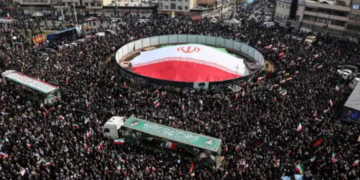
Meanwhile, tensions across the Middle East remain high. In Tehran, thousands of pro-government supporters gathered in a large rally, waving banners carrying slogans such as “Death to America” and “Death to Israel.” Senior Iranian officials joined the demonstration, presenting a show of defiance as the conflict continues to intensify.
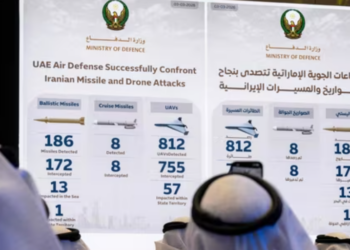
The situation has grown more volatile as the United States has stepped up its bombing campaign targeting Iranian positions and allies in the region. In response, Tehran launched a fresh wave of drone and missile strikes aimed at Israel as well as targets across the Gulf.
The broader regional conflict has also expanded into neighbouring Lebanon. Fighting between Israeli forces and the Iran-backed militant group Hezbollah has continued to escalate. According to Lebanon’s health ministry, an Israeli strike on a primary healthcare centre in southern Lebanon killed at least 12 medical personnel on Friday.
Lebanese authorities say that Israeli attacks targeting Hezbollah positions have killed at least 773 people in the country so far.
With the war widening and political rhetoric intensifying on all sides, the conflicting claims over Mojtaba Khamenei’s health have added another layer of uncertainty to an already volatile situation in the Middle East.

 English
 Gujarati
 Hindi
Hindi Kannada
 Malayalam
 Marathi
 Punjabi
 Tamil
Tamil Telugu