

 India
India

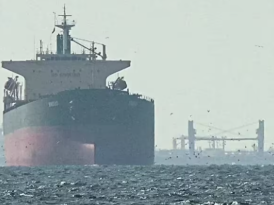
India has stepped up diplomatic engagement with Iran as security concerns intensify in the strategically vital Strait of Hormuz, following a series of attacks on commercial vessels that have heightened fears of disruption to global shipping and energy supplies. External Affairs Minister S. Jaishankar held a conversation with his Iranian counterpart Abbas Araghchi to discuss the safety of maritime traffic and the stability of energy flows through the volatile region.
According to the Ministry of External Affairs (MEA), the discussion took place against the backdrop of growing tensions and security incidents in the Strait of Hormuz—one of the world’s most critical maritime chokepoints for global oil trade. The narrow passage connects the Persian Gulf with the Gulf of Oman and the Arabian Sea and is responsible for transporting a significant portion of the world’s crude oil and liquefied natural gas.
MEA spokesperson Randhir Jaiswal said the ministers focused on ensuring the safe passage of commercial vessels and maintaining stable energy supplies amid the evolving security environment. The conversation underscored India’s concern about the rising risks to maritime traffic and the broader implications for international trade and energy markets.
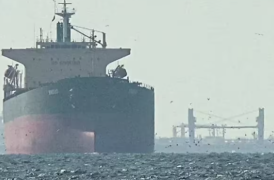
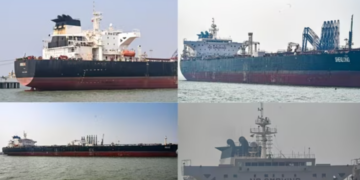
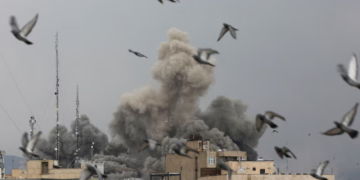
The recent attacks on commercial shipping in and around the Strait of Hormuz have alarmed governments and shipping companies worldwide. Several vessels have reportedly been damaged in bombings and suspected sabotage operations, raising fears that the conflict in the wider region could spill over into one of the busiest shipping corridors on the planet. The incidents have also prompted renewed debate about the safety of tanker routes that carry crude oil from Gulf producers to markets in Asia, Europe and beyond.
For India, the security of this route carries enormous economic importance. A substantial portion of the country’s crude oil imports travels through the Strait of Hormuz, making any disruption a direct concern for India’s energy security and supply chains. With the global economy already navigating volatile oil prices and geopolitical uncertainty, further instability in the waterway could trigger ripple effects across international markets.
Diplomatic outreach by New Delhi reflects a broader effort to ensure that maritime traffic remains safe despite escalating tensions in the region. India has consistently emphasised the importance of freedom of navigation and the protection of commercial shipping routes in international waters.
As attacks on vessels continue to raise alarm, the Strait of Hormuz is increasingly being viewed as a potential flashpoint in the wider geopolitical confrontation unfolding in the Middle East. With global energy flows at stake, countries that rely heavily on oil imports are closely monitoring developments and urging restraint to prevent the situation from spiralling further.

India’s engagement with Iran signals the urgency with which New Delhi is seeking assurances on maritime security, while also highlighting the global stakes involved in maintaining stability in one of the world’s most critical energy corridors.
 English
 Gujarati
 Hindi
Hindi Kannada
 Malayalam
 Marathi
 Punjabi
 Tamil
Tamil Telugu