



 India
India

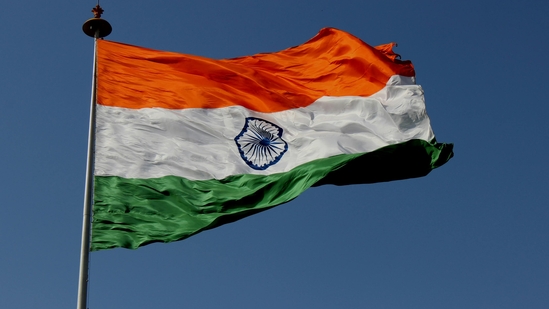
India has strongly rejected Pakistan’s accusations that it was behind the deadly suicide attack in North Waziristan, which killed 14 soldiers and injured 25 others on Saturday. In a sharply worded response issued on Sunday, the Ministry of External Affairs (MEA) said, “We have seen an official statement by the Pakistan Army seeking to blame India for the attack in Waziristan on 28 June. We reject this statement with the contempt it deserves.”
The MEA’s dismissal follows Pakistan Army’s public attempt to link India to the car bombing in Khadi village, North Waziristan, despite offering no concrete evidence. According to an initial investigation reported by the Associated Press, around 800 kilograms of explosives were used in the blast, which struck a military vehicle during midday, even as a curfew had been imposed in the area to facilitate troop movements.
The explosion caused significant structural damage to nearby houses and injured both military personnel and civilians — including women and children. Reports say 15 soldiers and 10 civilians were wounded, though the Pakistan Army’s official count listed 13 soldiers dead and three civilians injured.
Responsibility for the attack was claimed by the Hafiz Gul Bahadur group, a splinter faction of the Pakistani Taliban (Tehreek-e-Taliban Pakistan or TTP). This militant group, active in the Khyber Pakhtunkhwa region, has been described by Pakistani analysts as even more dangerous than the core TTP due to its territorial ambitions and brutal tactics.
Despite repeated assertions from Islamabad, India has consistently denied involvement in internal Pakistani conflicts. Regional analysts note that Pakistan’s tendency to externalize its domestic terror threats has only deepened mistrust in South Asia’s already volatile security landscape.
As accusations fly, the real threat—resurgent militant groups operating from Pakistan’s tribal regions—continues to destabilize the country’s northwest, with implications that stretch beyond its borders.





 English
 Gujarati
 Hindi
Hindi Kannada
 Malayalam
 Marathi
 Punjabi
 Tamil
Tamil Telugu