



 India
India

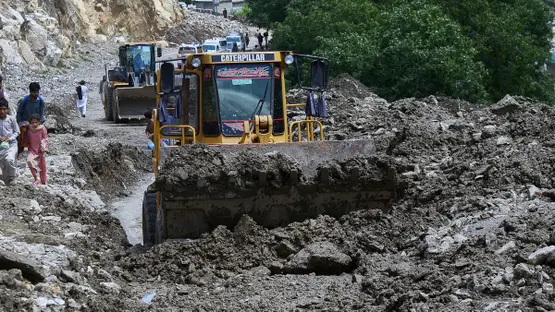

Heavy monsoon rains have unleashed deadly floods and landslides across northern Pakistan, killing at least 30 people and leaving dozens trapped in the wreckage of their homes, disaster management officials said on Friday.
According to regional disaster authorities, the worst-hit area was Khyber Pakhtunkhwa province, where at least 23 people have died in the past 24 hours. In Pakistan-administered Kashmir, seven more lives were lost as flash floods swept through remote settlements.
A particularly devastating incident occurred in Bajaur district, where a cloudburst destroyed several houses, killing 16 residents and leaving more than 20 others stranded. The provincial disaster management agency told AFP that rescue teams were working against the clock to reach affected families, despite difficult terrain and ongoing rainfall.
The Pakistan Meteorological Department has issued fresh warnings for the northwest, forecasting continued heavy rainfall and advising residents to avoid unnecessary travel to vulnerable areas. Officials fear further landslides and flooding as rain continues to lash the region.
The monsoon season, which provides 70 to 80 percent of South Asia’s annual rainfall, is critical for agriculture but also brings widespread destruction each year. The scale of the current devastation has revived memories of 2022, when unprecedented monsoon floods submerged a third of Pakistan and killed more than 1,700 people, displacing millions.
Relief efforts are underway, with local authorities coordinating rescue operations and providing temporary shelters for those displaced. However, access to remote mountainous areas remains a major challenge. The National Disaster Management Authority has urged communities in flood-prone areas to remain vigilant and heed evacuation advisories.
As Pakistan braces for more rain, officials stress that climate change is intensifying the frequency and severity of extreme weather events, placing increased pressure on already fragile infrastructure.




 English
 Gujarati
 Hindi
Hindi Kannada
 Malayalam
 Marathi
 Punjabi
 Tamil
Tamil Telugu