


 India
India

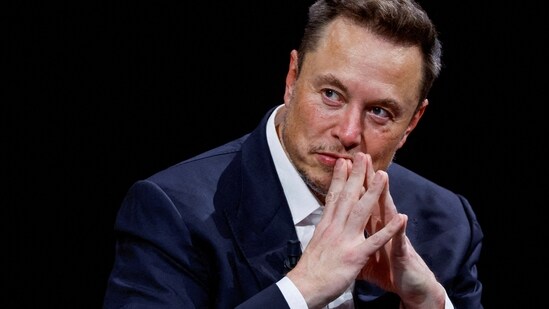
Elon Musk’s possible resignation as Tesla’s CEO has sent ripples through global markets and the tech community, reigniting debates about the billionaire’s dominance in the electric vehicle industry. The revelation that Musk might step down if shareholders reject his $1 trillion compensation plan on November 6 adds a dramatic twist to Tesla’s future — and a serious jolt of shock value.
Tesla’s board chair, Robyn Denholm, has positioned the vote as a defining moment. Her letter to investors paints a picture of dependency — a company whose innovation, valuation, and market narrative are deeply tied to one man’s “time, talent, and vision.” The suggestion that Musk could walk away underscores Tesla’s vulnerability, amplifying investor anxiety and public intrigue.
The $1 trillion figure alone fuels the shock factor. It is not just a paycheck — it represents a symbolic test of how much Tesla is willing to pay to keep its maverick leader. Denholm’s warning that losing Musk could derail Tesla’s AI and autonomous driving ambitions heightens the drama, placing emotional and strategic pressure on shareholders.
Musk’s potential exit also triggers broader questions: Can Tesla thrive without him? Would his departure shift investor confidence or stock momentum? The notion that one executive’s compensation could dictate the company’s fate plays perfectly into Musk’s brand of high-stakes leadership — equal parts genius and controversy.
In essence, this episode embodies the perfect storm of shock value — a trillion-dollar ultimatum, the possible fall of an iconic CEO, and the uncertain future of a company built on his relentless vision.




 English
 Gujarati
 Hindi
Hindi Kannada
 Malayalam
 Marathi
 Punjabi
 Tamil
Tamil Telugu