



 India
India

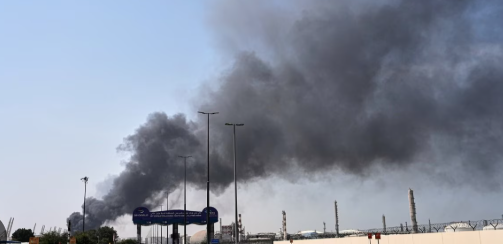
Smoke rose over Abu Dhabi’s Zayed Port as an Iranian attack followed US and Israeli strikes on Iran, leaving a tense atmosphere across the Gulf. The Middle East conflict, now in its fourth day, has sparked emergency evacuations from the United Arab Emirates (UAE), with a limited number of flights transporting stranded travellers out of Dubai and Abu Dhabi on Monday. Most commercial air traffic across the region, however, remains suspended due to extensive airspace closures.
The US State Department has urged American citizens in 13 countries, including the UAE, Saudi Arabia, Jordan, Lebanon, Egypt, and Oman, to “depart now via commercial means due to serious safety risks.” Yet, the widespread cancellations and grounding of flights have significantly hampered the ability of many to follow these directives.
The conflict escalated sharply after coordinated airstrikes by Israel and the United States targeted key Iranian sites. US President Donald Trump indicated that military operations could continue for several weeks, highlighting the potential for a prolonged regional confrontation. Tehran, in turn, launched retaliatory strikes, targeting Israel as well as strategic sites in Gulf nations, including energy infrastructure in Qatar and the US Embassy in Saudi Arabia.
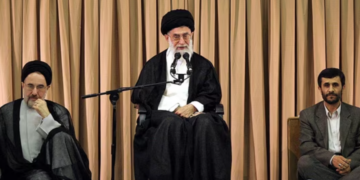
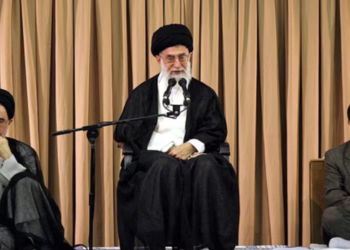
Reports of Iran’s Supreme Leader Ayatollah Ali Khamenei being killed, though unconfirmed, have added further uncertainty to the unfolding crisis. The lack of a clear pathway to de-escalation has raised fears of a drawn-out conflict, with serious regional and global consequences.
Even cities long considered safe, such as Dubai, have been touched by the unrest, emphasizing the conflict’s reach. Oil and gas prices surged amid fears of supply disruptions, while American partners pledged support to intercept Iranian missiles and drones in the region. Analysts warn that the crisis could reshape Middle Eastern geopolitics and have far-reaching economic implications worldwide.
As evacuees trickle out on the limited available flights, the region remains on edge, with governments and civilians alike bracing for potential new attacks. The situation continues to evolve, highlighting the fragile stability of the Gulf amid escalating tensions between Iran, the United States, and Israel.





 English
 Gujarati
 Hindi
Hindi Kannada
 Malayalam
 Marathi
 Punjabi
 Tamil
Tamil Telugu