





 India
India

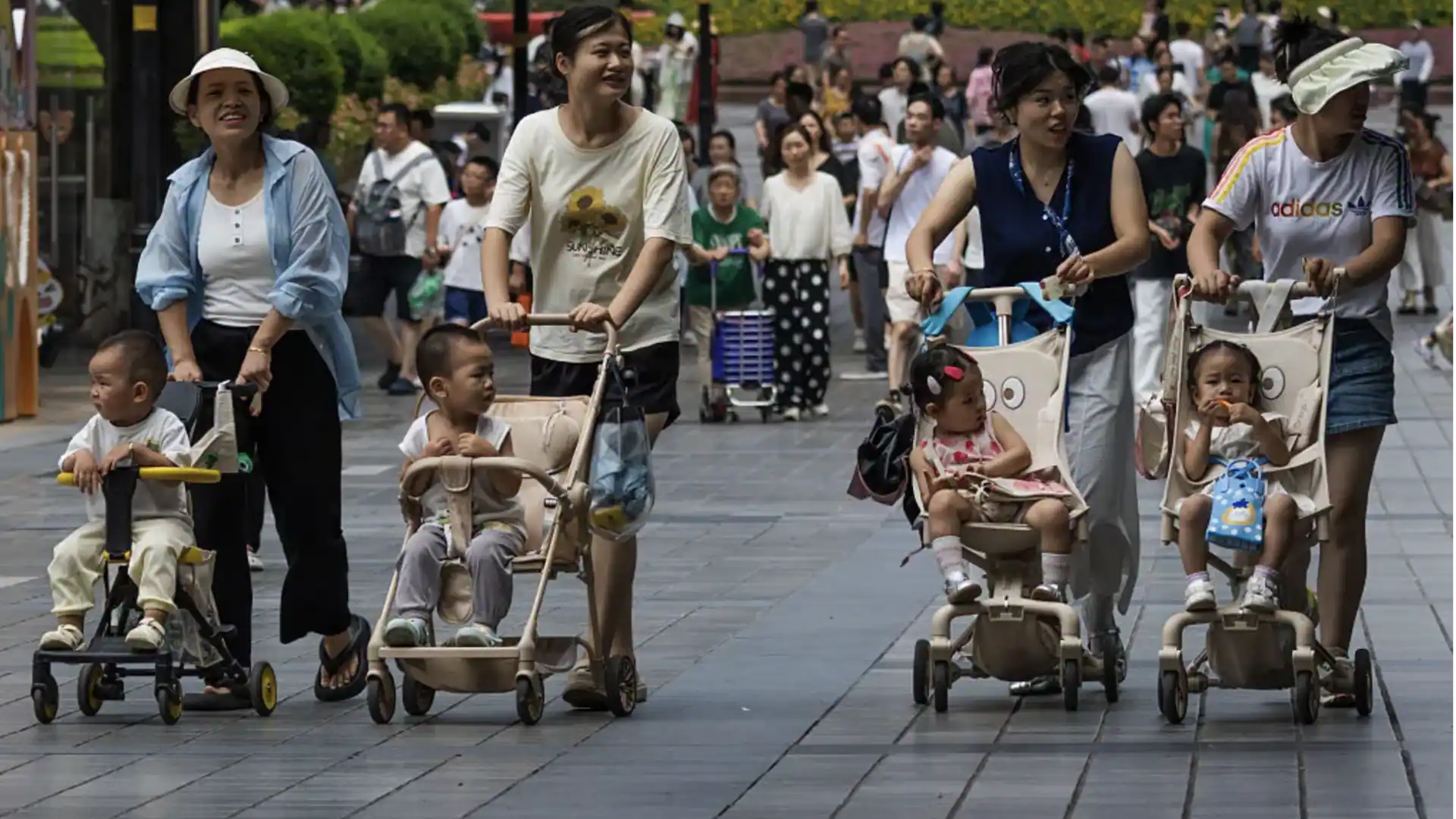
China has announced nationwide childcare subsidies to encourage couples to have more children. The initiative, unveiled by the official Xinhua News Agency, marks the latest step by the government to address a shrinking birthrate that threatens the world’s second-largest economy.
Effective retroactively from January 1, 2025, the Chinese government will provide 3,600 yuan (around $502) annually for each child under the age of three. The subsidy applies across all births—first, second, or third—offering crucial financial relief for families daunted by the high cost of child-rearing. Xinhua reports that the policy is expected to benefit over 20 million families each year.
This follows a worrying trend of population decline. In 2024, China’s population shrunk for the third consecutive year, with just 9.54 million births, nearly half the number recorded in 2016—the year China scrapped its decades-long one-child policy. The working-age population has also been decreasing, posing serious concerns for labor supply, productivity, and future economic stability.
The demographic crisis is compounded by declining marriage rates. In 2024, China recorded its lowest marriage rate in nearly 50 years, a staggering 20% drop from the year before. In a decade, annual marriages dropped from 13.47 million couples in 2013 to just 6.11 million. The average age of first marriage has also increased from 24.9 in 2010 to 28.7 in 2020, further delaying or discouraging childbirth.
Recognizing this urgent challenge, China has taken multiple steps over the years—tax incentives, expanded maternity leave proposals, and affordable daycare—but this new direct cash subsidy is the most comprehensive yet. While the central government has now stepped in, various provinces and cities have already launched their own incentive programs.
For example, Hohhot, capital of Inner Mongolia, made headlines earlier this year for offering 50,000 yuan for a second child and 100,000 yuan for a third. In Tianmen, Hubei province, a robust subsidy scheme including cash, housing support, and childcare payments led to a 17% spike in births in 2024.
These regional policies, while impactful, have been unevenly implemented. With this nationwide plan, Beijing aims to streamline and broaden support. Local governments will manage disbursement schedules based on regional needs, and parents can apply online or offline.

At this year’s National People’s Congress, the government also pledged further support for pregnant women and new mothers. Several lawmakers proposed creating a “fertility-friendly society”, suggesting increased maternity leave, more accessible childcare, and improved family welfare services.
China’s population, which lost its title as the world’s most populous country to India in 2023, is projected by the UN to drop to 1.3 billion by 2050 and possibly below 800 million by 2100. The government’s latest move is a clear acknowledgment of the looming demographic cliff—and its resolve to reverse it.





 English
 Gujarati
 Hindi
Hindi Kannada
 Malayalam
 Marathi
 Punjabi
 Tamil
Tamil Telugu