


 India
India

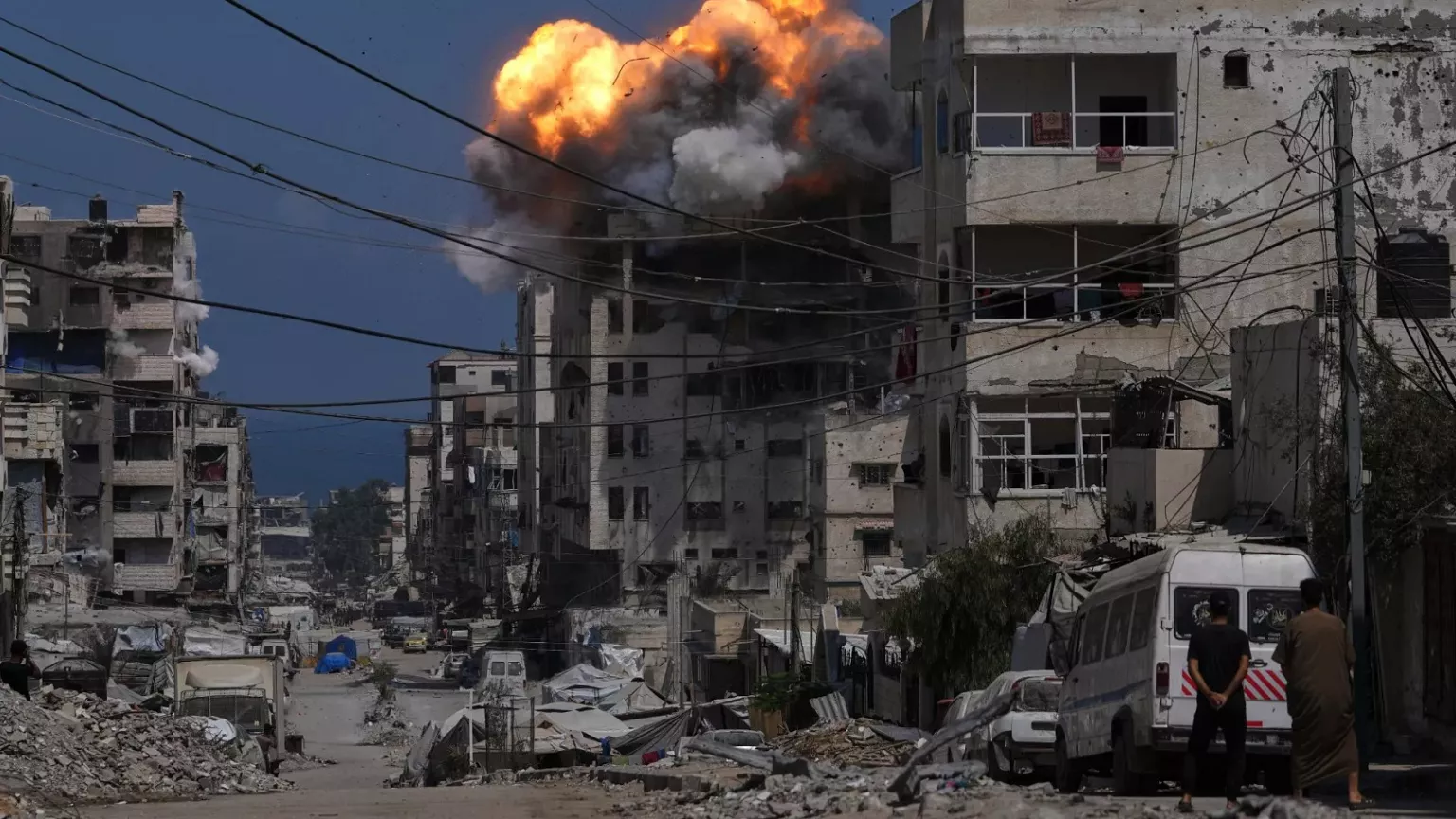
Efforts to secure a ceasefire in Gaza suffered a major blow on Thursday after Israel and the United States withdrew their negotiating teams from the ongoing talks. U.S. envoy Steve Witkoff accused Hamas of failing to negotiate in good faith, despite the mediators’ extensive efforts.
“Hamas does not appear to be coordinated or acting in good faith,” Witkoff posted on X. “We will now consider alternative options to bring the hostages home and try to create a more stable environment for the people of Gaza.”
Israel also echoed frustrations. A senior Israeli official said Hamas’s latest response offered no room for progress unless the group made major concessions. Still, Israel emphasized its willingness to continue talks.
The talks aimed to achieve a ceasefire, secure the release of hostages held by Hamas since October 7, and ease Gaza’s rapidly deteriorating humanitarian crisis. Nearly two years into the war, both Israel and Hamas face mounting domestic and global pressure to reach a deal.
In Gaza, the crisis is worsening by the day. According to the local health ministry, two more patients died of malnutrition, pushing the death toll from starvation even higher. British Prime Minister Keir Starmer labeled the situation “unspeakable and indefensible” and called for immediate aid access. Starmer plans an emergency call with France and Germany on Friday to push for international action.
Despite initial hopes earlier in the day, both sides remain divided. A Hamas official said a deal was still possible but accused Israel of stalling. Israeli media, however, reported significant gaps over key issues like military withdrawal zones during a potential truce.
Meanwhile, on the ground in Gaza, reports of chaotic aid distribution are raising serious concerns. Women attempting to collect food said U.S. contractors sprayed tear gas and pepper spray at them.

“The Americans told us to come and then sprayed us,” said Mervat al-Sakani, a Gaza resident. “Is this American humanitarian aid?”
The aid group behind the operation, the Gaza Humanitarian Foundation (GHF), defended its actions, saying pepper spray was used sparingly to avoid injuries due to overcrowding. GHF, backed by U.S. and Israeli support, has been distributing food since late May. The UN has criticized its model as unsafe and biased—an accusation GHF denies.
According to the UN, at least 875 people have been killed near aid sites in the last six weeks alone, with most deaths occurring around GHF distribution points. While locals blame Israeli gunfire, the Israeli military admits some civilian casualties and says it has updated procedures based on “lessons learned.”
Israel insists it is allowing aid into Gaza but claims it must monitor supplies to prevent Hamas from diverting them. The UN counters that it is doing its best under restrictive Israeli conditions.
The ongoing war began with Hamas’s October 7 assault that killed around 1,200 Israelis and resulted in the abduction of 251 hostages. Since then, the Israeli military campaign has killed nearly 60,000 Palestinians, according to Gaza’s health authorities.
As ceasefire hopes dim and humanitarian conditions collapse, the world watches anxiously for the next move—whether towards peace or deeper conflict.



 English
 Gujarati
 Hindi
Hindi Kannada
 Malayalam
 Marathi
 Punjabi
 Tamil
Tamil Telugu