

 India
India

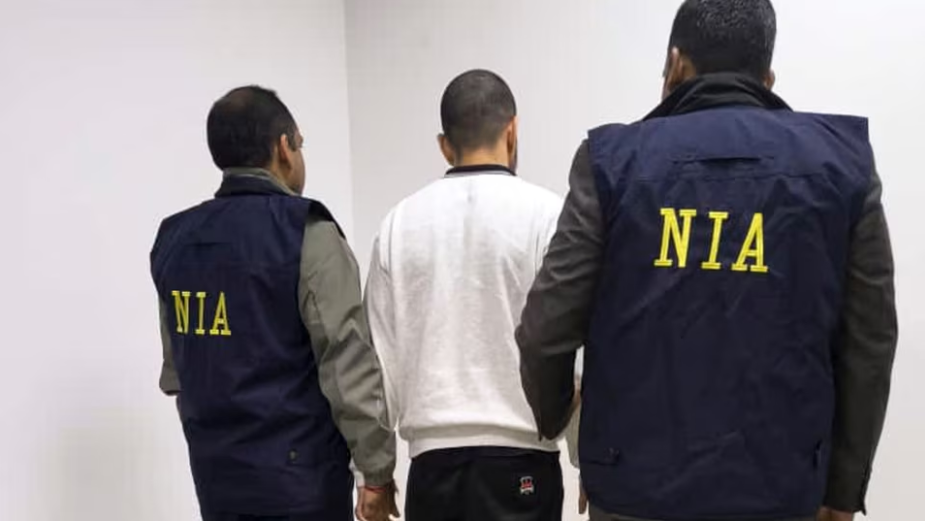
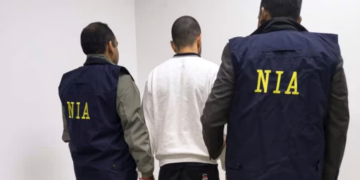
The National Investigation Agency (NIA) has filed a chargesheet against nine alleged members and supporters of the Islamic State of Iraq and Syria (ISIS), accusing them of participating in a conspiracy to radicalise vulnerable youths online and draw them into violent terrorist activities.
According to the central counter-terrorism agency, the accused used social media platforms, particularly Instagram, to promote the banned terrorist organisation’s activities and further a larger conspiracy aimed at establishing a caliphate in India through violent jihad.
The case originated at the Vijayawada II Town police station in Andhra Pradesh, where it was registered on March 23, 2026. The investigation was subsequently taken over by the NIA as the alleged conspiracy acquired a wider counter-terrorism dimension.
The agency has now filed its chargesheet before a special court in Vijayawada against Mohammad Rehmatullah Shariff, Mohammed Danish, Mirza Sohail Baig, Lucky Ahmad, Jishan Abdul Majid, Mir Ashif Ali, Abdul Salaam, Sharuk Khan and Shaikh Faiz ur Rehman.
The accused have been booked under provisions of the Bharatiya Nyaya Sanhita (BNS) and the Unlawful Activities (Prevention) Act (UAPA). The charges include criminal conspiracy, acting in furtherance of a common interest and activities allegedly endangering India’s sovereignty, unity and integrity. The UAPA provisions invoked by the agency relate to unlawful activities as well as membership of and support for terrorist organisations.
The NIA said its investigation uncovered an organised effort to motivate and radicalise what it described as “gullible youths” and encourage them to participate in violent terrorist activities. The agency further alleged that the accused had moved beyond online propaganda and were making preparations for possible acts of violence.
According to the NIA, members of the alleged network planned and prepared for the manufacture of explosives and for weapons training. These activities, the agency said, formed part of preparations linked to the broader conspiracy.

Investigators also found that the accused allegedly developed and tested a secure application for covert communication. The application was intended to allow members of the group to communicate secretly while planning and preparing for their proposed violent activities, according to the agency.
The case has so far resulted in the apprehension of 11 accused persons as well as a child in conflict with law, the NIA said. The chargesheet against the nine accused represents the latest step in the agency’s investigation into the alleged online radicalisation network.
The NIA’s allegations are part of the chargesheet and will be subject to judicial scrutiny as the case proceeds before the special court.
The investigation highlights the role that social media platforms can allegedly play in extremist recruitment and radicalisation, with the agency focusing on the use of Instagram to reach and influence young people. In this case, the NIA has alleged that online radicalisation was connected to preparations for physical terrorist activities, including explosives and weapons training.
The agency has described the alleged objective of the conspiracy as establishing a caliphate in India through violent jihad and disrupting the country’s sovereignty and territorial integrity.
With the investigation continuing, the case brings together allegations of online radicalisation, covert digital communication, terrorist recruitment and preparations for violent activity under a single counter-terrorism probe being pursued by the NIA in Andhra Pradesh.


 English
 Gujarati
 Hindi
Hindi Kannada
 Malayalam
 Marathi
 Punjabi
 Tamil
Tamil Telugu